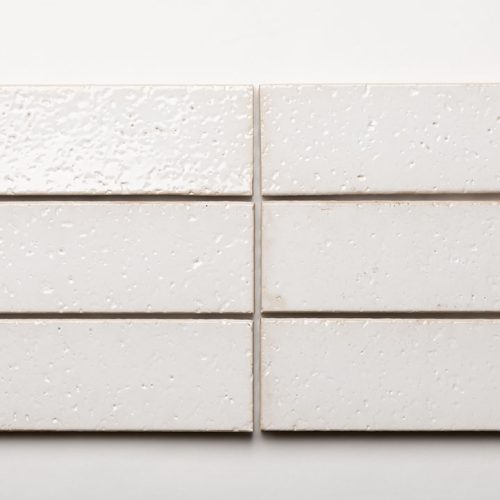
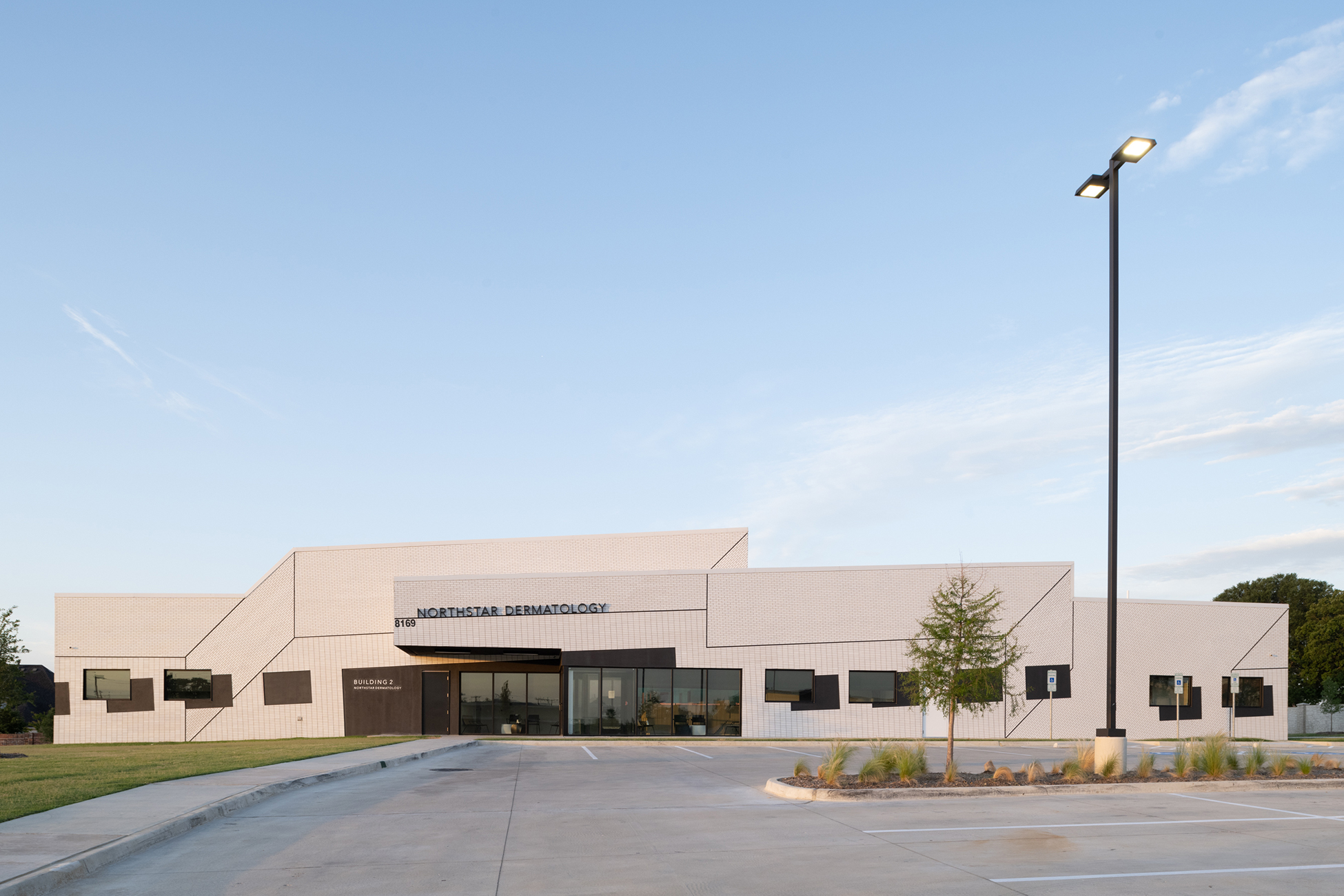
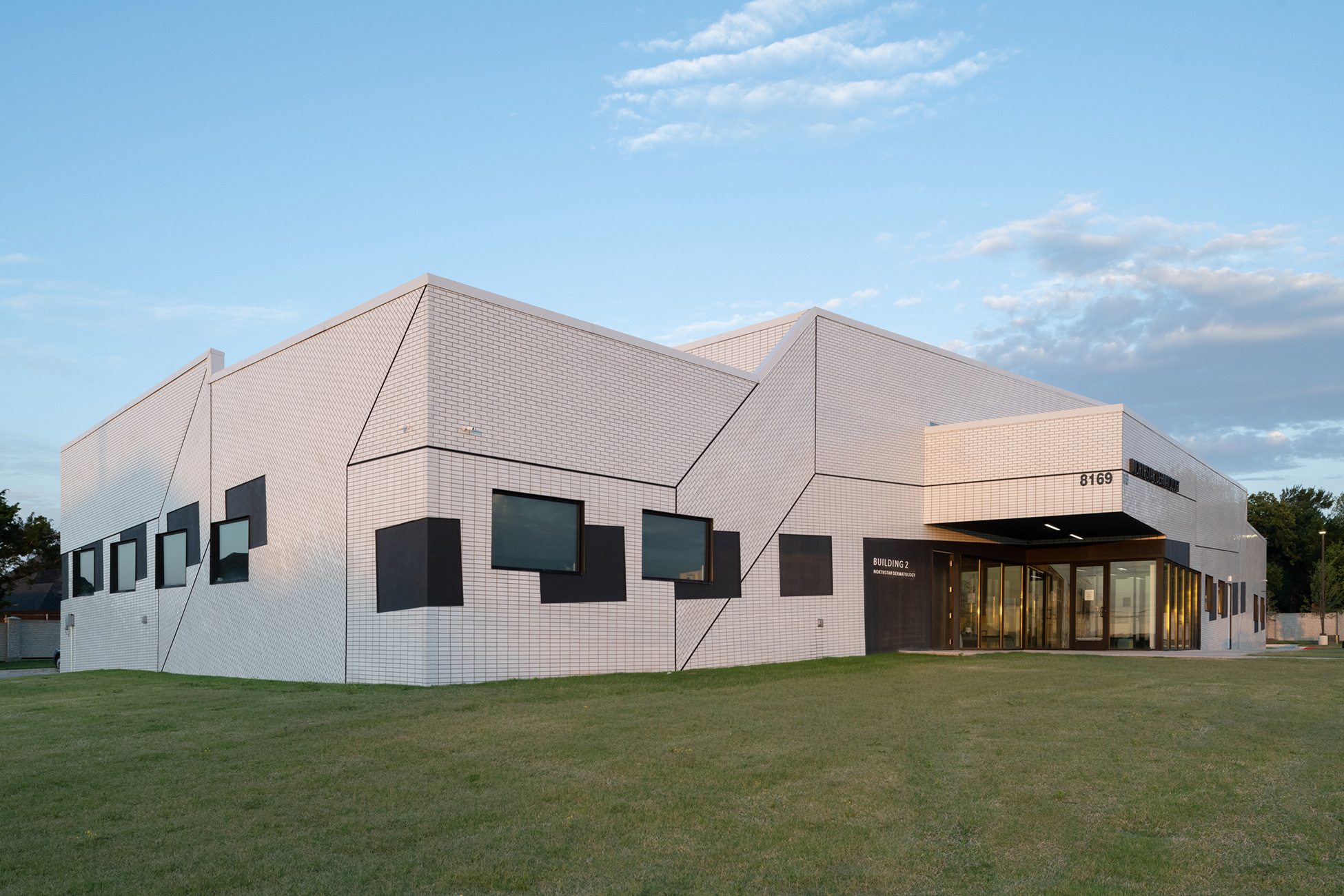
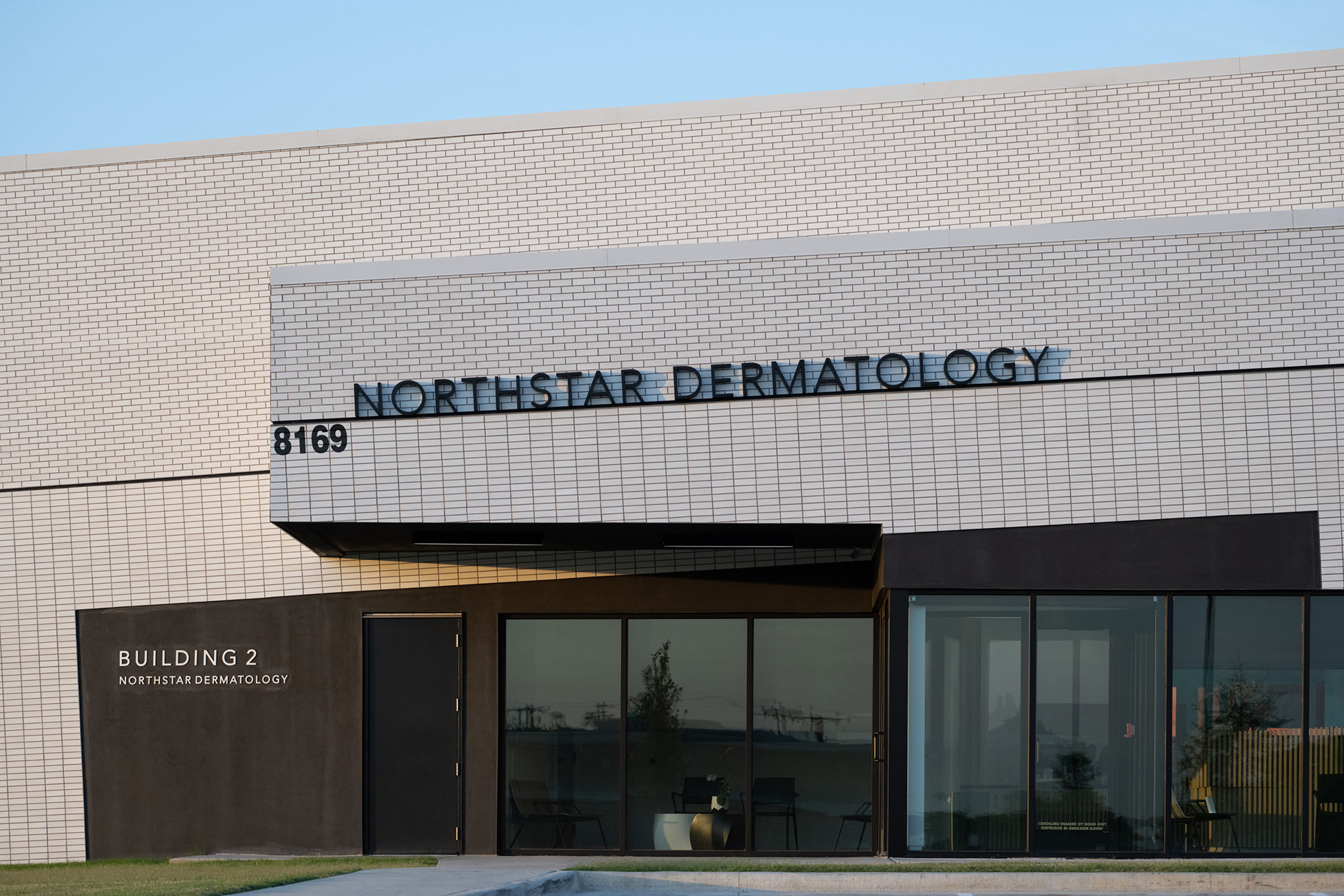
Northstar Dermatology’s new 9,000-square-foot office building in North Richland Hills, Texas, is a striking example of architectural innovation. Designed by AN.ONYMOUS architecture, known for their speculative approaches to architecture and urbanism, this building showcases the creative potential of Acme Brick Fusion, a glazed thin brick.
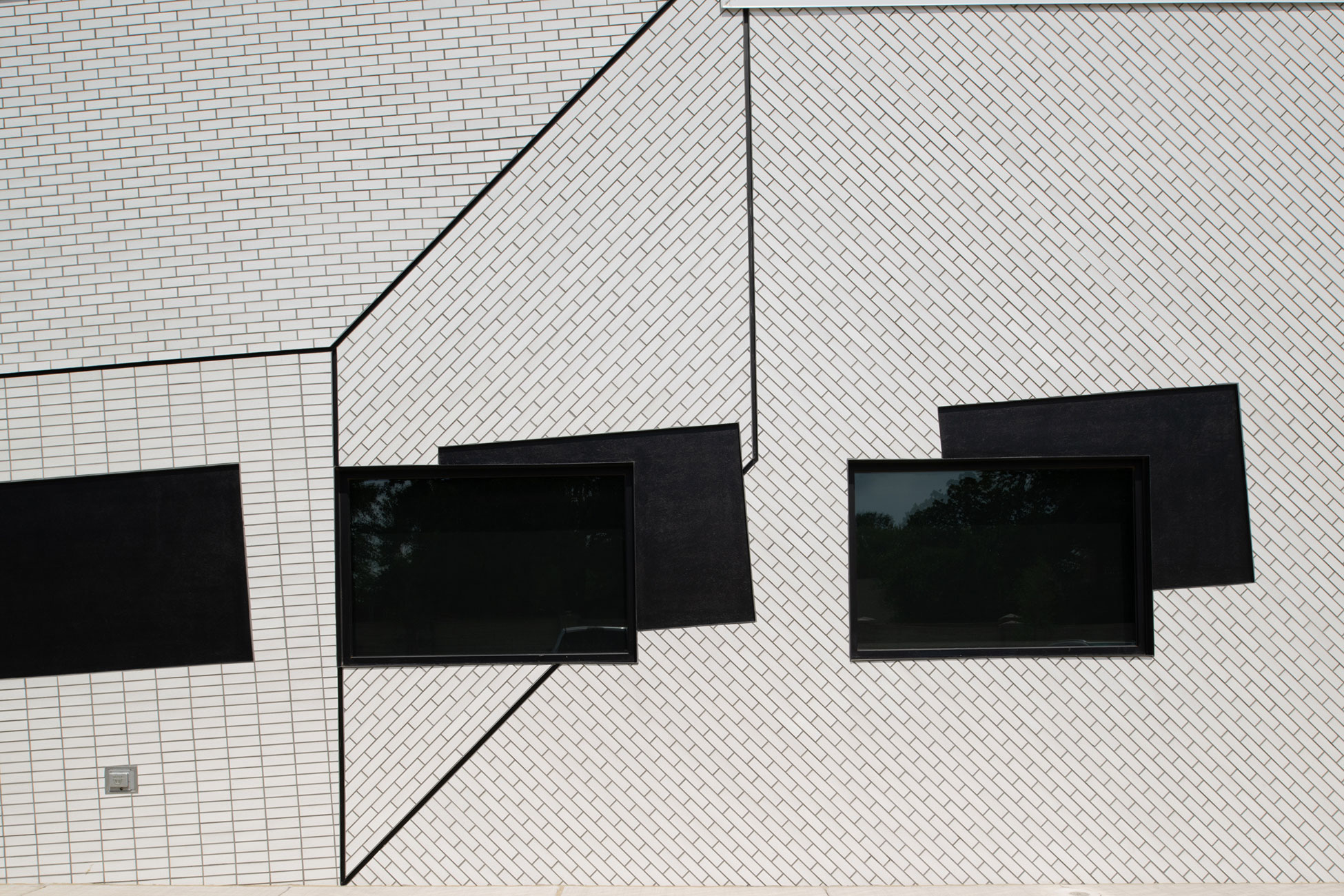
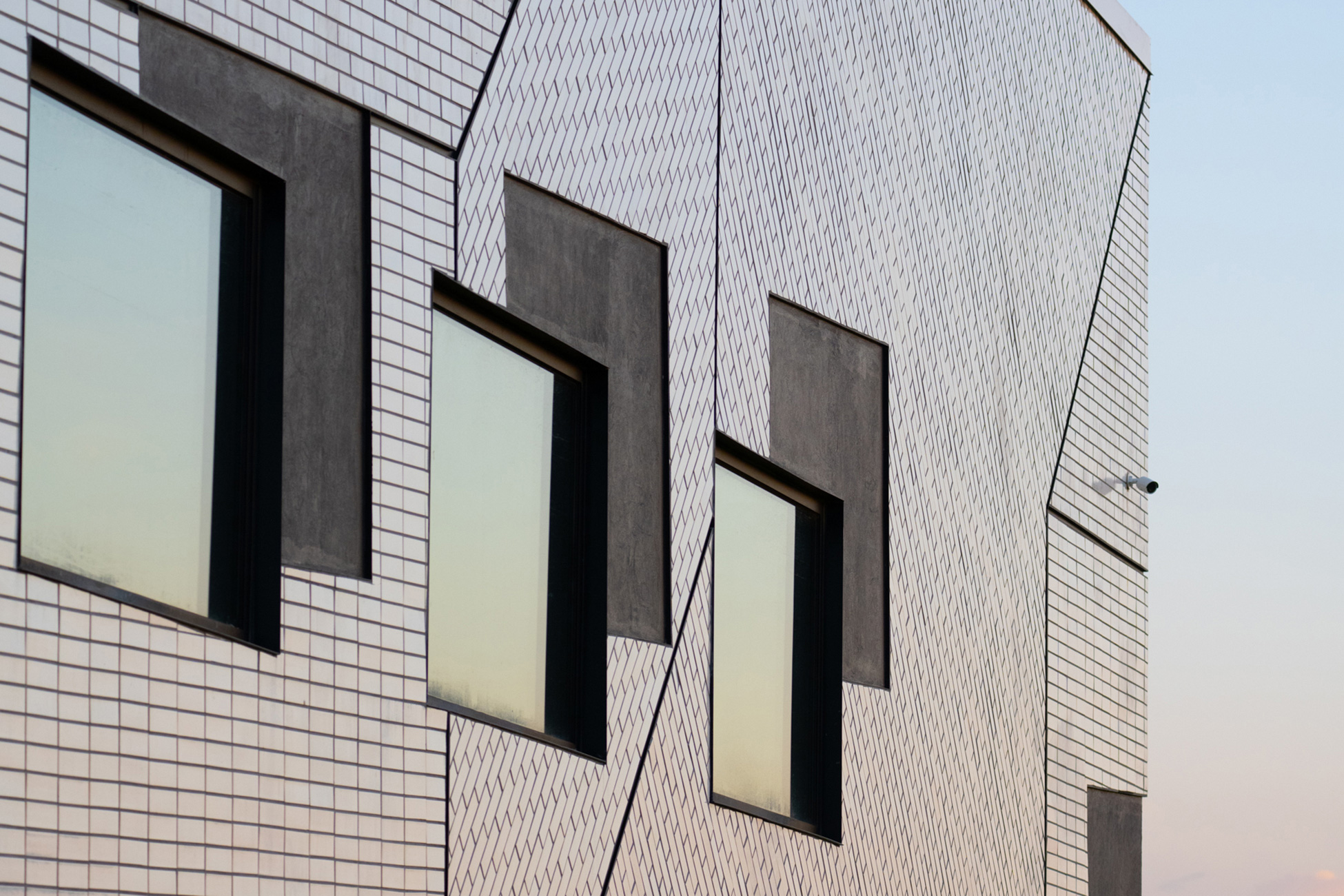
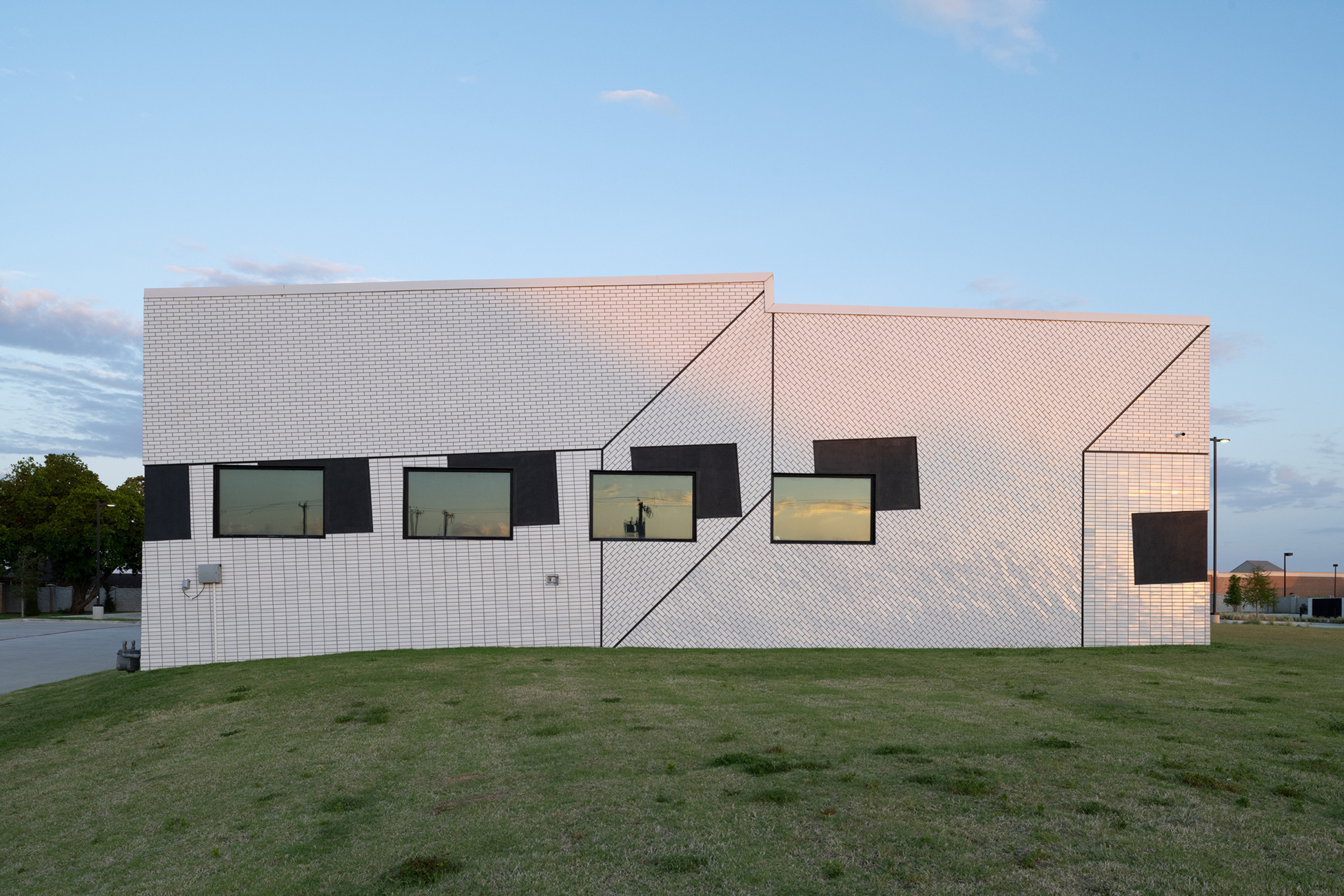
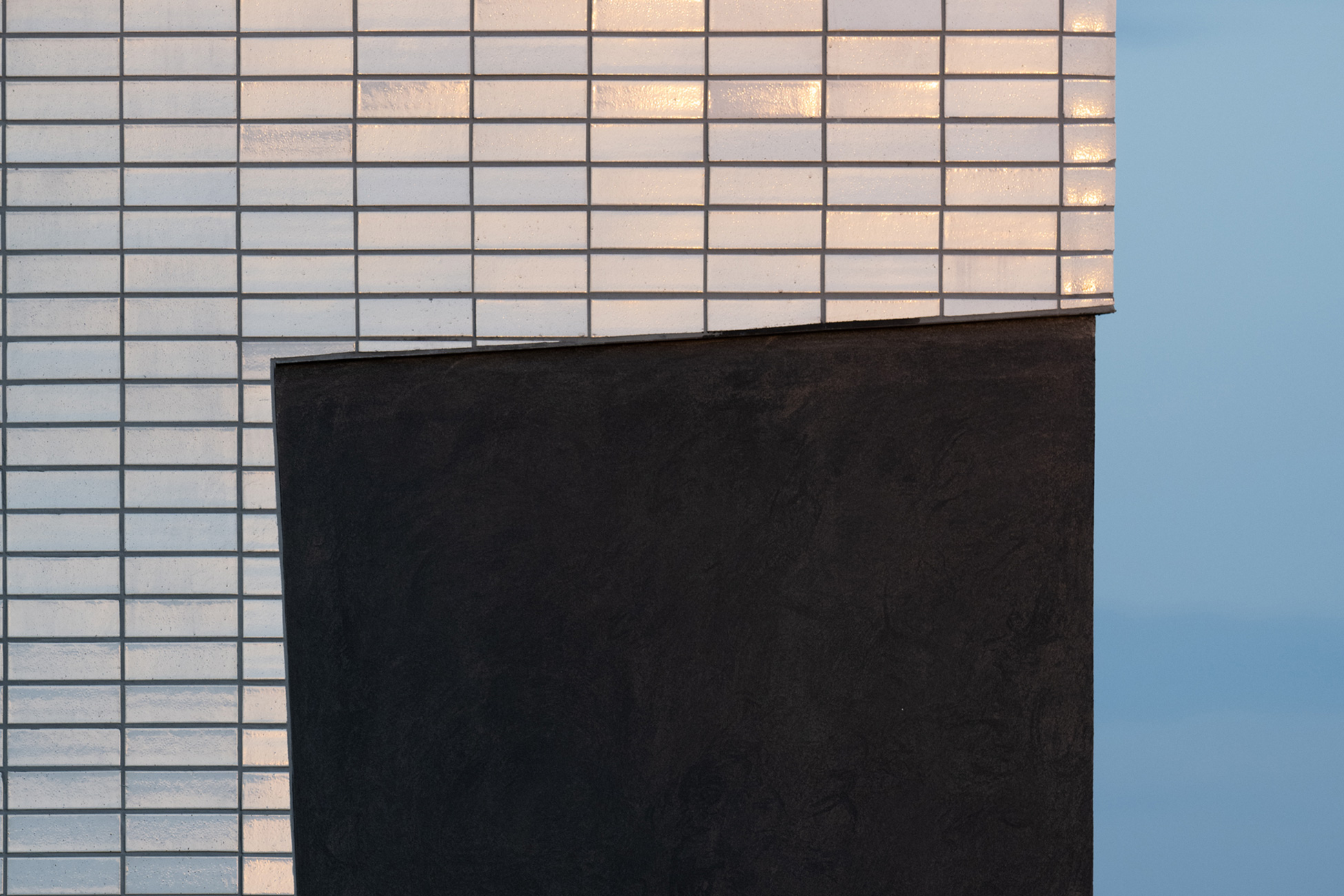
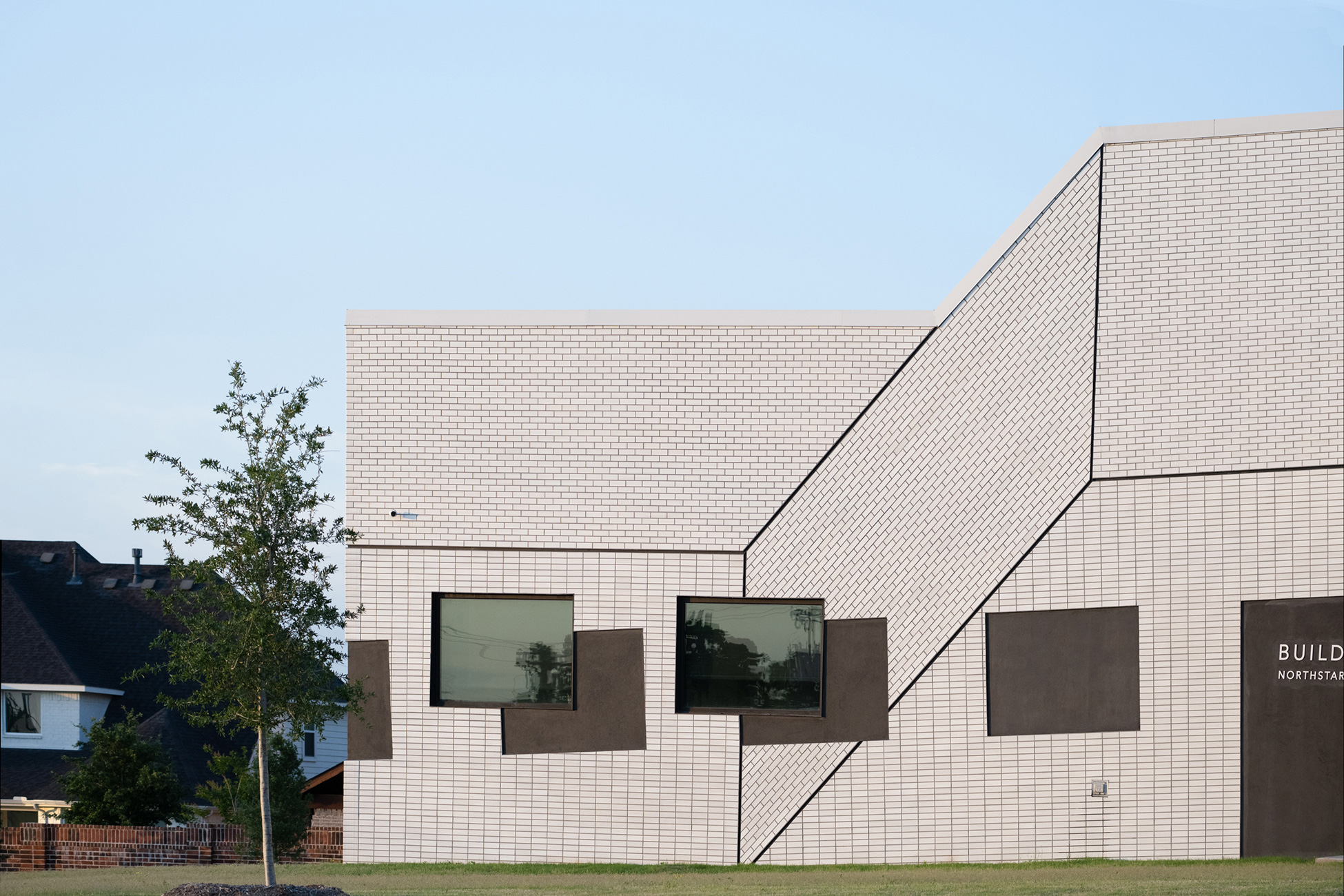
The facade is a visual illusion, with variations in brick angles, contrasting metal lines outlining shapes, and climbing “shadow boxes” behind the windows. The glazed thin brick’s reflectivity allows for a dynamic facade that transforms as the sun shifts throughout the day. As AN.ONYMOUS describes:
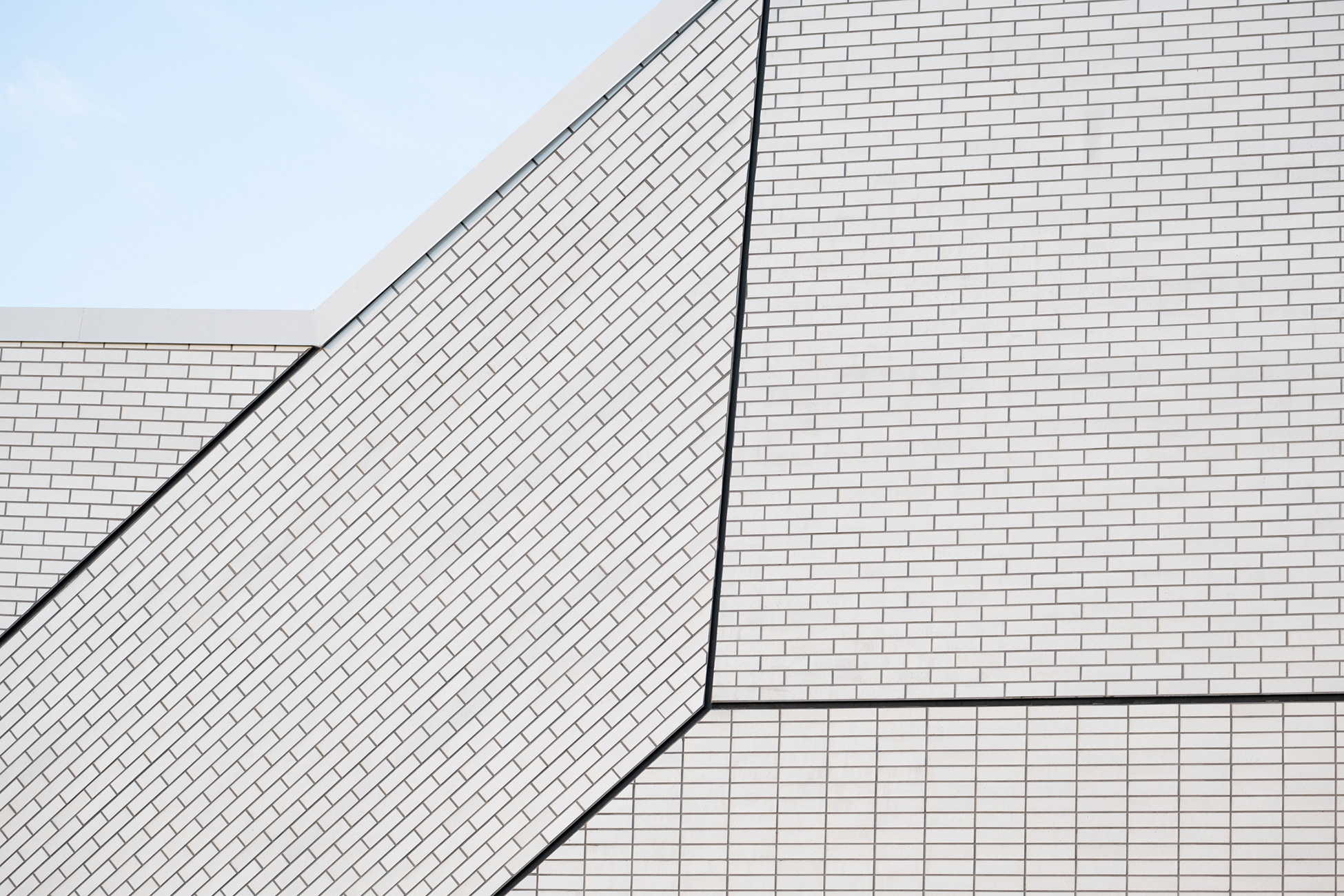
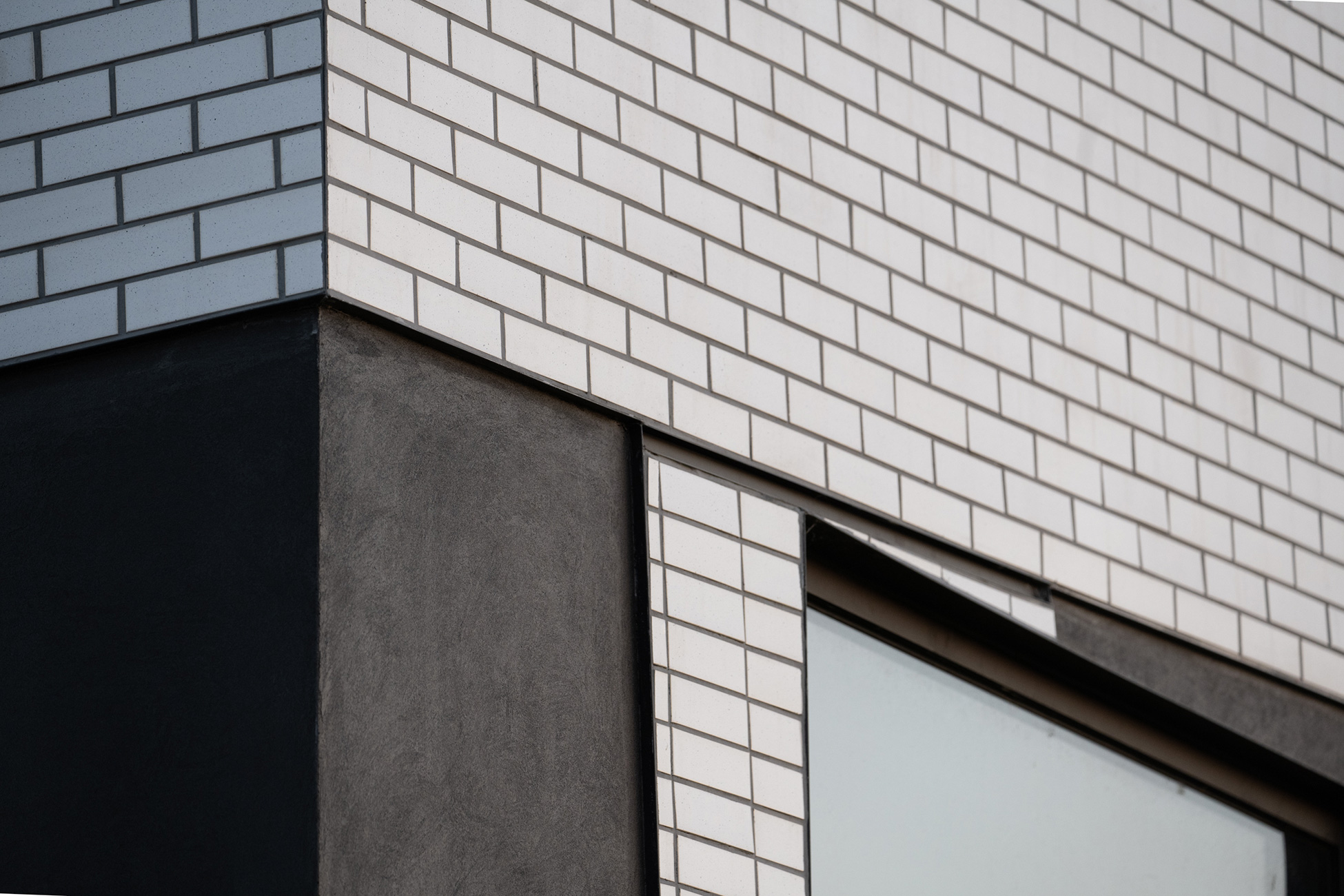
“The facades, considered merely as a form of orthographic representation, are black and white oblique drawings of the buildings themselves, using control joints as lines, the brick-veneer walls as surfaces, and the “shadow” EIFS areas as openings or cut-outs. The thin brick system, used with varied stacked and running bond patterns in horizontal and diagonal arrangements, conform to the drawn projections on the facades, while exposing the symbolic quality of the material as a non-brick—a tiling system that only signifies brick. In this way, the exterior facades function as two-dimensional surfaces wrapped around building shells that attempt to represent, but never fully correspond to, the logic of the interior. In doing so, the project aims to reveal the disjunction between the interior and the exterior, the structure and the skin.”
The brick pattern transitions seamlessly between stacked and running bonds, with each segment defined by the deliberate placement of control joints. The asymmetrical arrangement of the building’s windows, EIFS cutouts, and brick bonds creates a dynamic interplay that echoes the offset and irregular geometry of the project’s floor plan.
Acme Brick Fusion plays a crucial role in achieving this unique design, allowing for creative applications that would be impossible with traditional brick construction. AN.ONYMOUS created a facade that is both visually striking and symbolically rich, challenging our understanding of what brick can do.
The interior is equally innovative, with a floor plan developed through agent-based computer simulations to optimize circulation and efficiency. As the first building fully constructed from a computer-generated circulation study, it demonstrates Northstar Dermatology’s commitment to pushing the limits of design. Through the innovative use of Acme Brick Fusion and advanced simulation tools to optimize user experience, Northstar Dermatology challenges the essence of medical facility design. The building presents a bold, contemporary interpretation of a traditional typology, paving the way for a new era of architectural expression in healthcare.

Thanks for stopping by! We’re constantly working to make Brick.com the best resource for your projects. We’d love to get your feedback about your experience today—it only takes about 60 seconds and helps us make improvements for you.