
One of the hottest topics in the construction industry today is “green building.” This catch-all phrase describes construction materials and building techniques that are environmentally friendly. These buildings require less energy to heat and cool and save their owners thousands of dollars over the life of the building. They can withstand the elements for generations and are most likely clad in materials that come from the earth.
While homebuyers of all age groups appreciate lower energy costs, younger, it’s the younger homebuyers – millennials – who are driving the green trend. Demographers have noted their preference for goods and services that are authentic and sustainable. These are two of the reasons this group favors green homes which are constructed of brick.
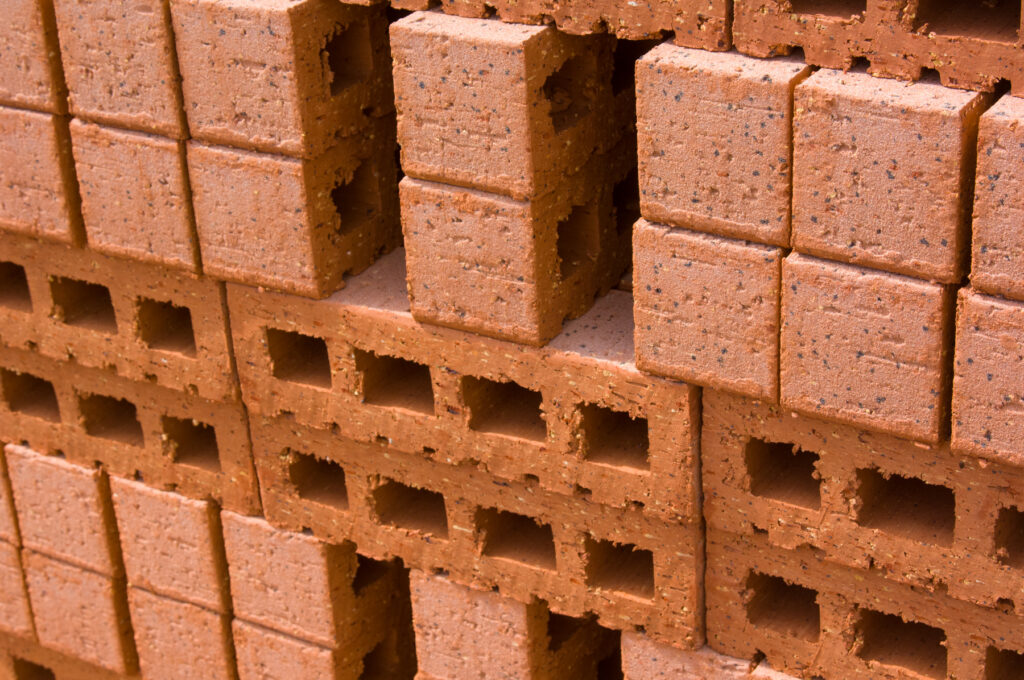
Brick is today what it has always been, an authentic building material, made from the earth, for the earth. Although many have tried to duplicate some of its remarkable qualities in design and construction, no other material has equaled the unique blend of beauty and brawn in authentic fired clay bricks.
~Acme Brick
Jay Cox is a forty year veteran of Acme Brick and is its current Midwest Regional Sales Manager. He has helped hundreds of customers interested in energy efficient, green building construction. He shared some of these insights in a recent interview.
“When we think about green buildings, sustainability and the availability of raw materials to manufacture these building materials, we naturally focus on brick,” Jay said. “When I go back to my early days in this company and jobs I sold back then, it’s rewarding when I see those buildings now. They still have the same finish and are still very attractive.
“As far as ‘green’ is concerned, those buildings never had to be painted and they have not required any further maintenance. I would say brick is one of the original green building materials and this goes back thousands of years.”
Today’s homebuyers and their builders have many choices for building materials – from wood to synthetic materials. What are the factors that make brick superior from an environmental and sustainable standpoint?
“Because of its mass and the air space behind it, brick is one of the best performing walls for both residential and commercial structures,” Jay noted. “Because of the mass of brick, the heat on the outside of the building during a hot summer day takes a substantial amount of time to work its way into the building. By the time this has happened, it is typically evening and the air is cooling down. It acts as an insulating barrier due to the nature of the product itself.
“When the weather turns colder, this insulation barrier of brick works the opposite way. When the sunshine hits a brick wall, the mass of the brick stores the heat from the sunlight, which helps keep the building warm.
“There is also an advantage of water resistance in a brick wall,” he said. “Brick allows water to drain, as opposed to retaining it, like other building materials. This prevents potential problems such as mold and rot.
Unlike wood, stucco or other synthetic materials, buildings which are constructed of brick have almost no maintenance required.
“With a wood or synthetic wall, there is a constant need to paint and/or caulk to maintain its integrity,“ Jay noted. “This is not necessary with brick construction. Plus, wood or synthetic materials absorb moisture, resulting in a weakening of the structure. Brick is a super protective barrier for home exteriors and commercial buildings.
“As for stucco, there are different types of this building material,” Jay said. “Some are composed of natural elements and some are not. A lot of the stucco we see today is synthetic. It is simply a mesh-like material with a type of cement covering it.
“There is a huge difference between what we see today – synthetic stucco – and the original, which was much more durable. The newer stucco is not forgiving, and it’s not green.”
The economics of brick construction account for another green advantage and this is the folding kind – money saved. Jay explained.
“If you think about the long term aspect of a building, brick offers a much better return on investment. No painting will ever be required, maintenance costs are low and the energy saving aspects of brick construction are superior.
“Investment in a brick home may be slightly higher than say a painted or siding home. But by the time the exterior wall needs painting or the siding needs to be replaced, the value of brick construction is evident.”
If you are interested in learning more about building a green home or office, try Acme’s “Virtual Mason” at brick.com and then contact us to learn about the original green building material – brick.
Thanks for stopping by! We’re constantly working to make Brick.com the best resource for your projects. We’d love to get your feedback about your experience today—it only takes about 60 seconds and helps us make improvements for you.