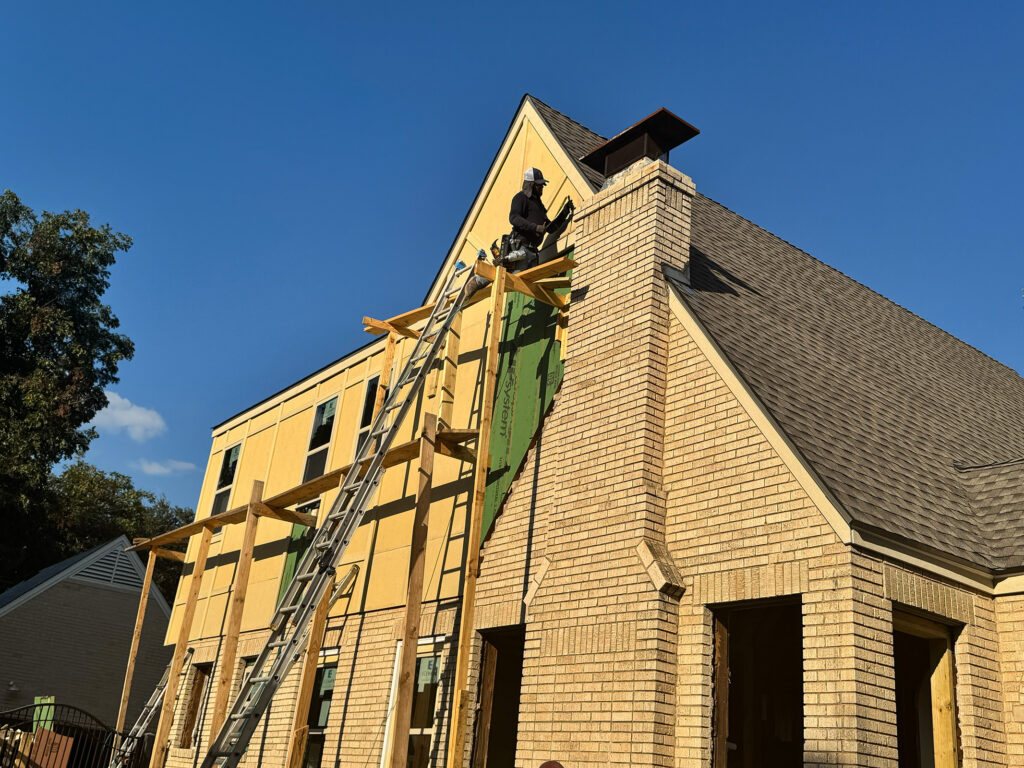
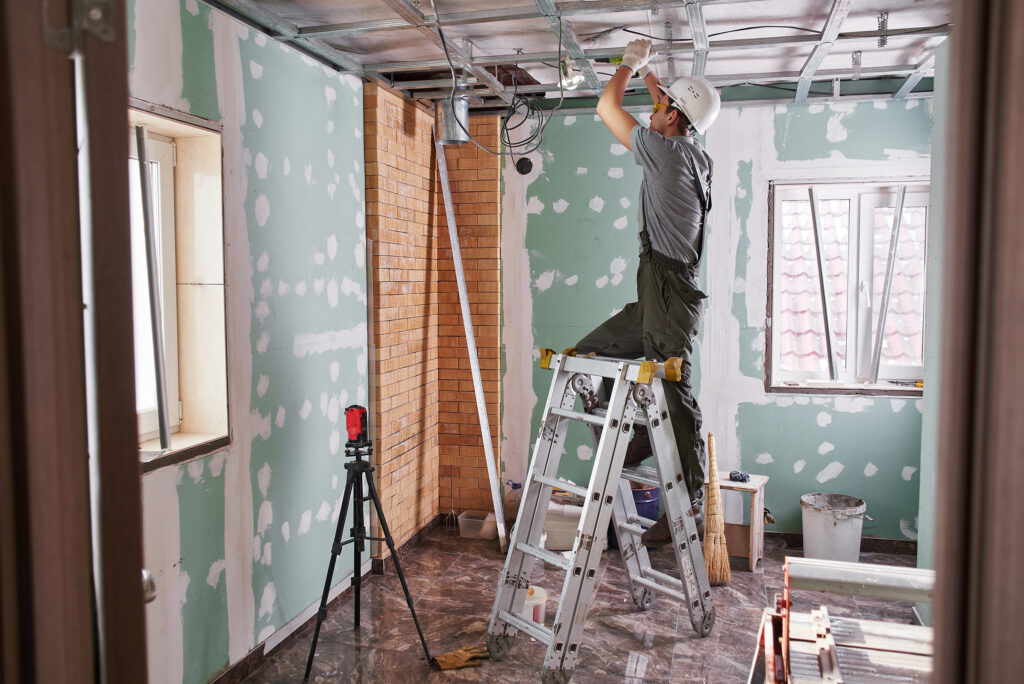
Credit: amixstudio / Adobe Stock
For many reasons, including those low mortgage rates that smart buyers grabbed when they hovered around 3%, many families have decided to stay in their current home much longer than they did a decade ago. Real estate research firms such as Redfin note that the average homeowners are still looking at those same four walls for about 13 years.
This “sheltering in place” can lead to things feeling a little confined. Why? Young families tend to grow, not shrink. Plus, what happens when a recent college grad needs some time to get his/her gig together, or grandma wants to enjoy her grandkids…every day? What if the home happens to be located in an historically zoned neighborhood?
That’s right. Talk of remodeling starts working its way into dinner conversation and an important question lands on the table: Are we building up or out?
What This Means for You — Home remodeling projects can be the most irritating and expensive activities any family can endure. However, a better place to live can be the result. The decision about whether to build a second-floor addition or expand the ground floor space may seem a tough road, so before taking this trip, please read this post.
Acme is more than just brick. Home improvement products – from kitchen tile to state-of-the-art steel siding – are available to make any remodeling project epic. Click here for great ideas!
As your savvy aunt or sweet mother no doubt told you when you were a teenager trying to decide on what to do about some monumental question (e.g. breakup with a current significant other or give them one more chance?); the first step is to “make a list.” This time-honored strategy also works with remodeling. An honest evaluation of “why” this remodeling is being considered is in order.

Sometimes love for your home means outgrowing your kitchen. Credit: AnnaStills / Adobe Stock
Once the “wants and needs” are established, it’s time to move on to the trickiest question: Are we building up or out? As with most things in life, this decision is relative to one’s situation. As some wise person once opined, “it depends.”
It’s not necessarily better to build up or out. Renovation experts – architects and contractors – note that building out is often simpler and less disruptive (fewer structural changes), while building up saves yard space and can be cost-effective if the home’s foundation supports it. However, this approach involves complex roofing, stairs, and potential structural reinforcement. This makes the process riskier and potentially more costly if the structure isn’t ready.
The best choice depends on yard size, budget, house structure, zoning, and desired layout. Thus, building OUT may be simpler and building UP saves more space but is more complex.
Simple, right?
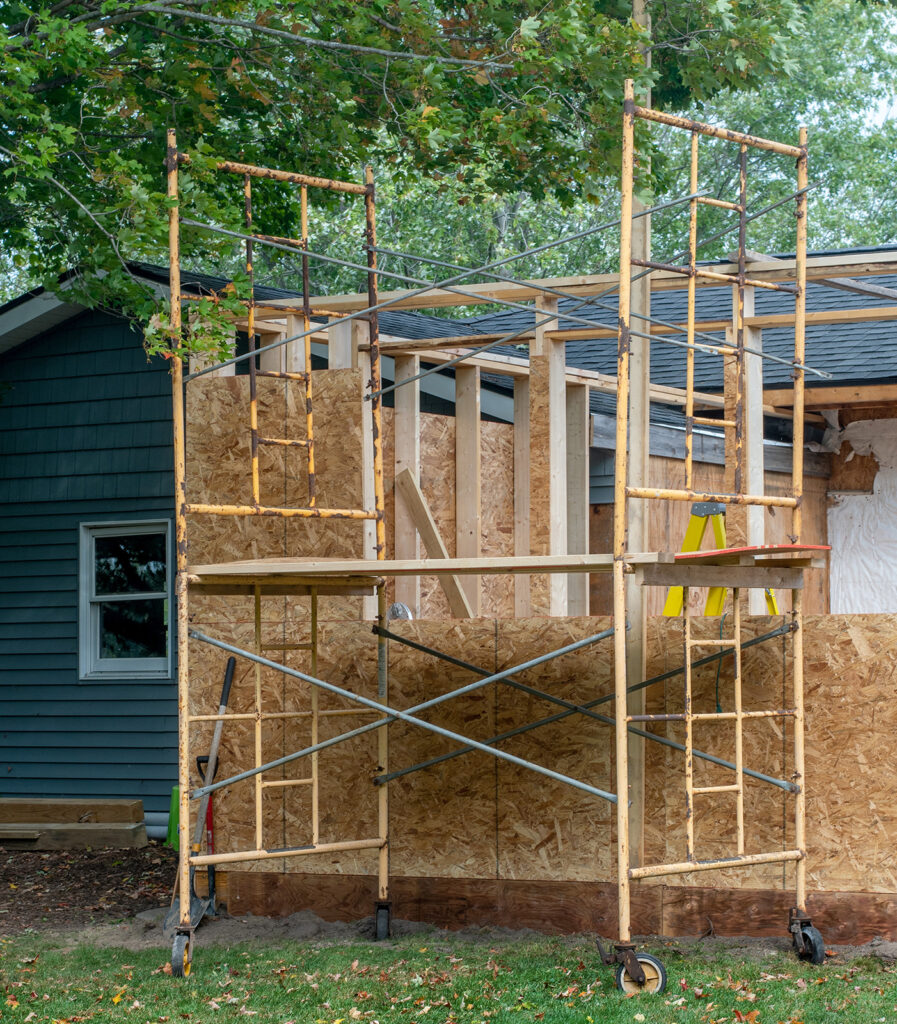
This ground-level addition connects directly to the main home. Credit: Susan/ Adobe Stock
Remodeling experts have hundreds, if not thousands of options on expanding a residential space horizontally. Taking the list of “wants and needs” to a planning meeting with an architect and/or building contractor is a good first step in this process.
In general, there are several advantages and disadvantages of building out:
This second-story addition rises to meet the home’s growing needs while preserving the original footprint. Acme Brick matched the original brick (also from Acme) to ensure a seamless addition. Credit: Blane Ladymon, AIA
Adding another story on an existing home requires adequate foundation and framing to support the new space. This is a critical engineering consideration and must be determined by an appropriate professional – architect or structural engineer.
In general, here are the pros and cons of building up:
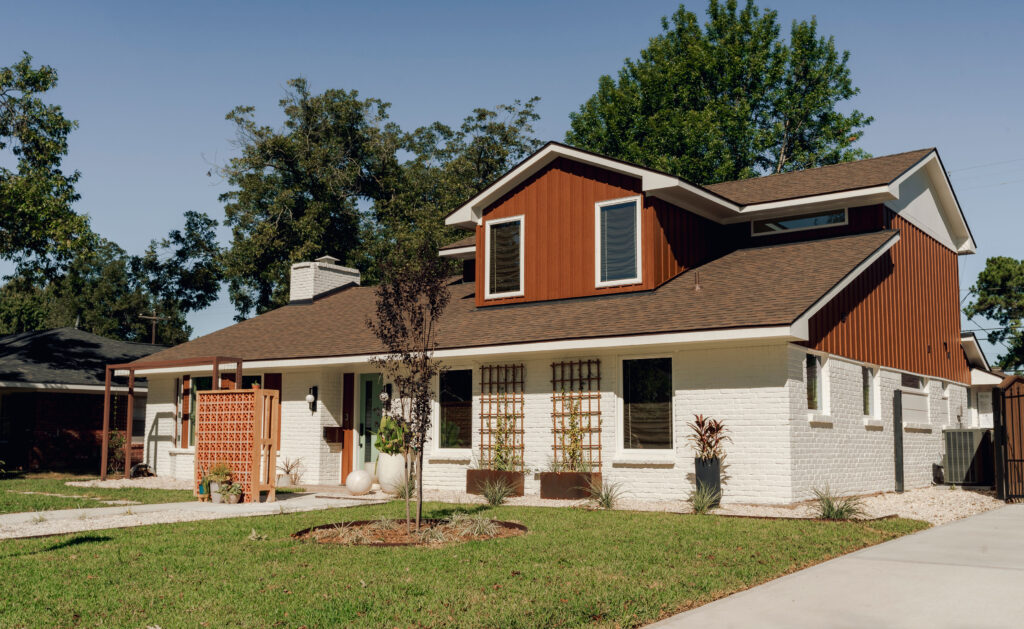
Quality Edge TruCedar Board & Batten from Acme Brick Tile & Stone gives this remodeled home’s second story timeless curb appeal. Credit: CBA Culture Marketing
Whether the remodel is to be horizontal or vertical expansion, there are many new options for building materials that were likely not available when the home was originally built. Advances in technology have led to exterior building materials that are stronger, more durable, more climate resistant and (in many cases) weighing less than the original exterior products. When these new materials are chosen to match or aesthetically enhance the existing structure, the renovation can dramatically improve the entire structure.
For example, if a home is constructed of traditional brick, complementary thin brick for the renovated exterior is much less expensive and much easier to install due to its lower weight. Click here to see the vast array of thin brick available from Acme.
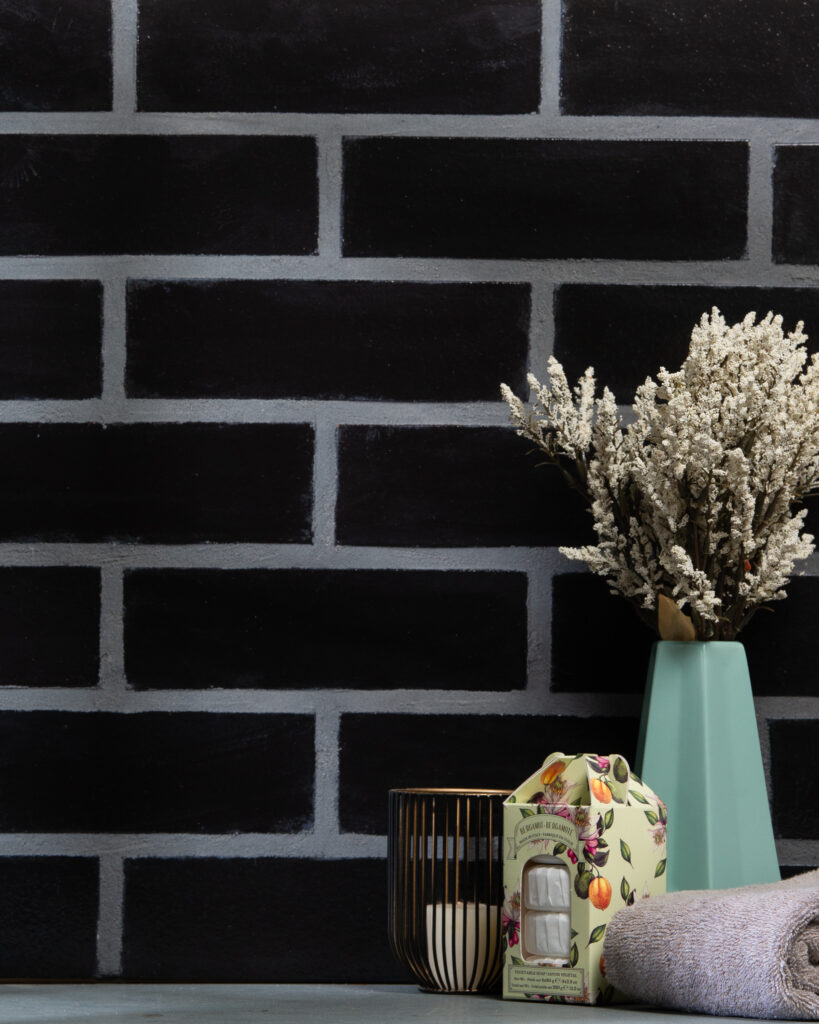
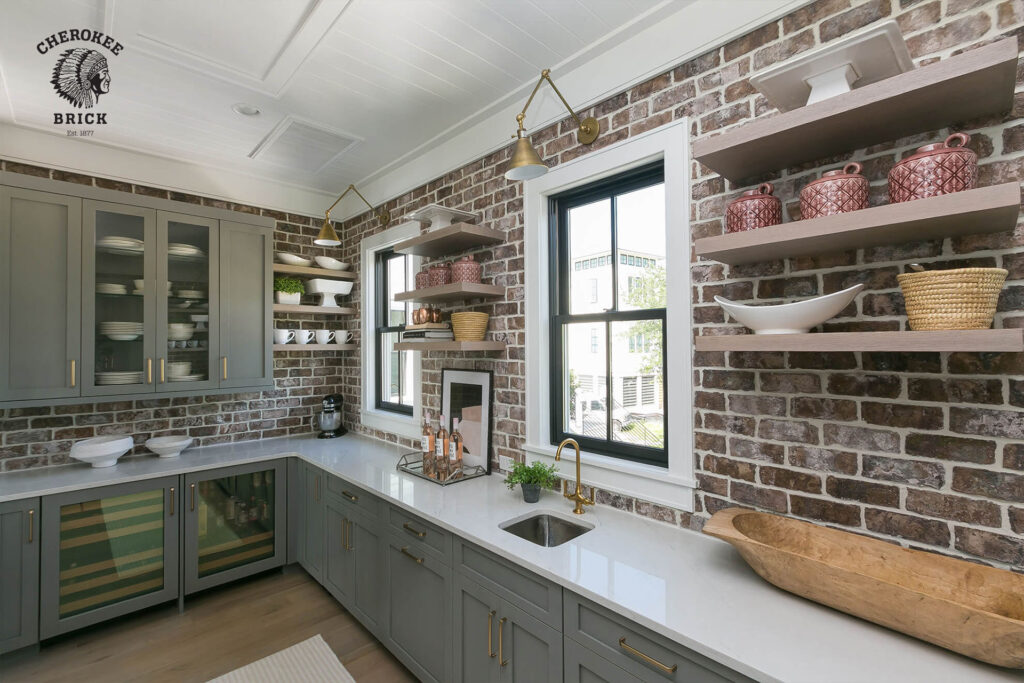
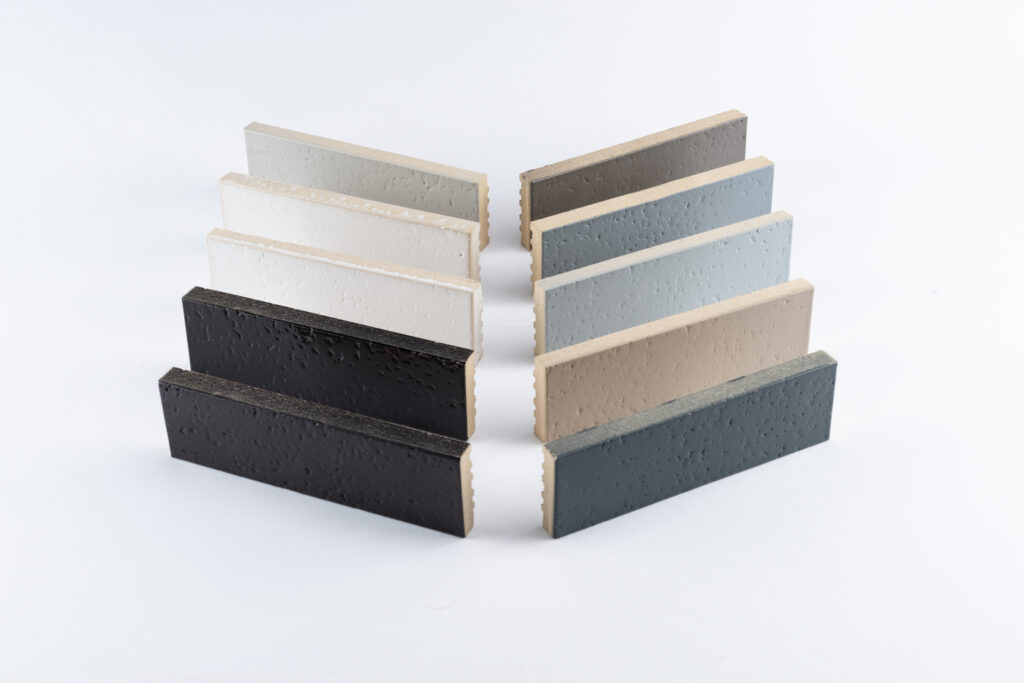
Just a few of the many thin brick options available at Acme Brick Tile & Stone. From left: King Klinker in Black Onyx, Cherokee in Old Savannah, and Acme’s glazed Fusion.
No product category has so fundamentally changed the way exteriors have improved than wood-grained metal siding. These products are durable, resistant to sun and weather and have innovative installation systems that are ideal for renovation projects.
Take a look at the metal siding products available from Acme:
Taking on a home remodel of any size can be challenging. However, it can also bring the family closer together. Who doesn’t enjoy camping out with no kitchen or bathroom for a month or two? Seriously, the benefits of a larger, more functional living space will be worth it, in the long run.
Whether the renovation project involves horizontal or vertical expansion, it is always best to consult an architect and structural engineer to assess your home’s feasibility for both options. When this is done, the scope of design and work plans can be formulated, and a great new space can be enjoyed for another decade or more.
For your next renovation project, ask your architect or contractor about options with brick and steel siding. Just click here and speak with an expert.
Lorem ipsum dolor sit amet, consectetur adipiscing elit, sed do eiusmod tempor incididunt ut labore et dolore magna aliqua. Ut enim ad minim veniam, quis nostrud exercitation ullamco laboris nisi ut aliquip ex ea commodo consequat. Duis aute irure dolor in reprehenderit in voluptate velit esse cillum dolore eu fugiat nulla pariatur. Excepteur sint occaecat cupidatat non proident, sunt in culpa qui officia deserunt mollit anim id est laborum.

Thanks for stopping by! We’re constantly working to make Brick.com the best resource for your projects. We’d love to get your feedback about your experience today—it only takes about 60 seconds and helps us make improvements for you.