

Photo credit: Leonid Furmansky
Modern sophistication used to mean an open floor plan: standing in your kitchen while gazing across an uninterrupted sea of sofa, dining table, and television. There were few walls. So, if you sneezed in the pantry, someone in the living room would say, “Bless you.”
For years, the open concept ruled. The bigger the great room, the better. We wanted sight lines from the stove to the staircase. And then reality happened, as it inevitably does. The “modern” floor plan grew up.
As Good Housekeeping recently reported, the most popular layout for contemporary families “isn’t just about removing walls; it’s about smart design that maximizes every square foot.” Homeowners still value openness but are rethinking how their homes function.
Bigger is no longer better. Smarter is.
Floor plans can make or break a home. At Acme Brick, we know great design starts long before the first brick is laid. The most beautiful exterior in the world cannot compensate for a floor plan that frustrates the way people live. So, what separates the best layouts from the ones buyers quietly walk away from? To find out, read on.
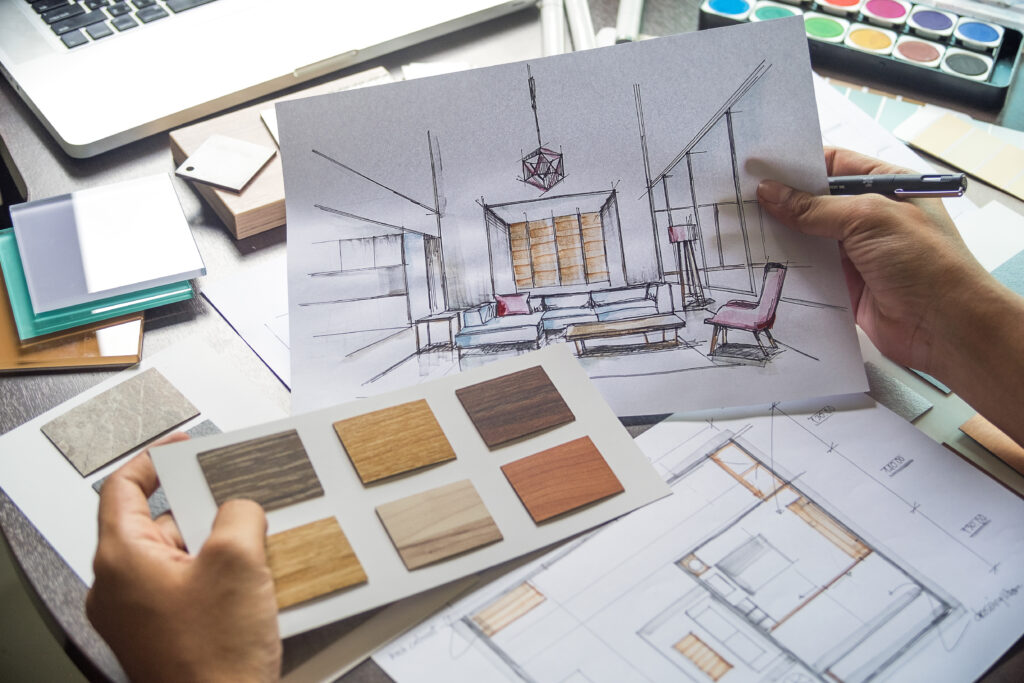
In a piece about the “best and worst” room layouts, The Dallas Morning News opines that a floor plan can make or break how you live in your home. It’s not just how it looks on an architectural blueprint.
In this (often humorous) article, designers share memorable examples of dysfunctional layouts. How about the example of a kitchen placed directly in a traffic corridor between the garage and the living space? Or an overly angled hallway that wasted space and created awkward navigation? Ugh!
For anyone shopping for a new home, or considering a remodel, following good floor plan basics is important. This includes ensuring clear, unobstructed pathways, checking appliance and cabinet swing clearance, and evaluating room flow.
Fortunately, this “how to” article reassures readers that imperfect layouts aren’t deal-breakers. Many issues — from wasted nooks to awkward room placement — can be addressed with thoughtful remodeling, creative repurposing of space, or strategic design adjustments.
Questions about efficient floor plans abound. For example, do you need a cavernous great room, or do you need a living area that feels connected but not chaotic? Would a “flex room,” which adapts over time serve your family better than a formal dining room that you use twice a year? Does your kitchen allow you to entertain without displaying every dish in the sink to your guests?

The new modern floor plan is more “future proofed.” It offers families flex rooms that can shape-shift from office to gym to guest suite. It creates subtle separation without slamming the door on connection. It integrates outdoor space that allows a patio to become an extension of a living room instead of an afterthought.
When smarter design is paired with materials that bring structure, texture, and enduring character, good things happen! Elements such as thin brick for an accent wall, or Zellige tile for a kitchen backsplash, result in a home that feels thoughtful and ready for whatever shows up on the pages of House Beautiful.
While openness is still valued, homeowners are rethinking how their spaces function. This puts an emphasis on layouts that are smarter, intentional, and adaptable. Here are a few tips from interior designers and home builders on having a great floor plan.


Nuanced separation has also replaced the one-giant-box approach to floor plans. Instead of tearing down every wall, designers are creating “rooms within rooms.” Fireplaces, ceiling transitions, and subtle architectural cues now define space. This is where brick shines. An interior brick fireplace crafted with Acme Brick’s classic brick or a textured thin brick feature wall instantly creates a visual stopping point, adding interest and texture. The space remains open, but it no longer feels undefined.
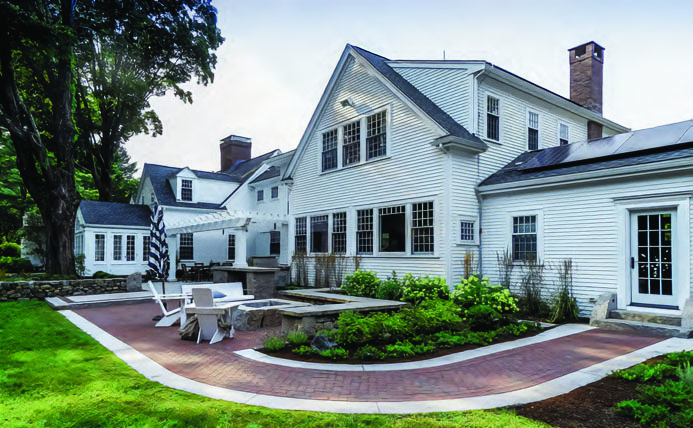
Indoor-outdoor integration is another hallmark of the modern floor plan. Patios are no longer just afterthoughts. Today, they are extensions of the living room. Covered porches become outdoor lounges. Entertaining guests flows seamlessly from indoors to outdoors. Acme Brick pavers make that transition seamless. A patio built with Acme’s durable clay pavers connects naturally to a brick-clad exterior. This creates visual continuity and long-term performance.
Of course, not every floor plan succeeds. Oversized rooms without purpose waste space and energy. Poor traffic flow creates daily frustration. Completely open layouts without architectural anchors can feel cavernous. And homes that ignore outdoor living miss a major opportunity. Pitfalls include:
While structural flaws are harder to correct, upgrading design elements such as luxury vinyl plank, hardwood flooring or stylish tile can dramatically improve perception.

For anyone considering buying a new home or remodeling an existing home, there is even an AI agent for that! According to an article in Architizer artificial intelligence is transforming the way floor plans and custom 3D models are created.
What once required multiple meetings with architects and builders and weeks of revisions can now be generated in minutes by these professionals. AI-powered tools quickly produce optimized layouts with impressive speed and accuracy, tailoring designs to fit a homeowner’s lifestyle and preferences.
Of course, AI is a tool, not a replacement for the expertise of architects, designers, and builders who understand the nuances of construction and livability. But for homeowners looking to visualize possibilities quickly, it’s a game-changer.
Trends constantly evolve. Who thought that millions of people would work from home before the global pandemic ushered this trend into the lives of families around the world? Open concepts may tighten. Flex rooms may multiply. But the need for thoughtful planning and enduring materials will remain constant.
The modern floor plan is not disappearing. It’s maturing. It’s less about how much space you have and more about how well that space works.
At Acme, brick is only the beginning. An outstanding selection of flooring, tile, outdoor entertainment products, glass accents, iron doors and many more products are available for you to enjoy. Just click here and get inspired.
Lorem ipsum dolor sit amet, consectetur adipiscing elit, sed do eiusmod tempor incididunt ut labore et dolore magna aliqua. Ut enim ad minim veniam, quis nostrud exercitation ullamco laboris nisi ut aliquip ex ea commodo consequat. Duis aute irure dolor in reprehenderit in voluptate velit esse cillum dolore eu fugiat nulla pariatur. Excepteur sint occaecat cupidatat non proident, sunt in culpa qui officia deserunt mollit anim id est laborum.

Thanks for stopping by! We’re constantly working to make Brick.com the best resource for your projects. We’d love to get your feedback about your experience today—it only takes about 60 seconds and helps us make improvements for you.