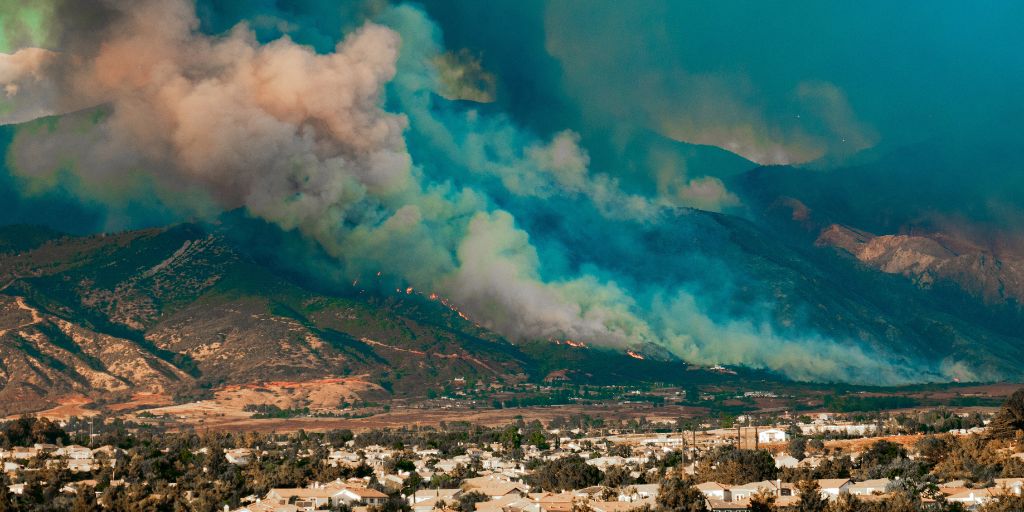
(Photo credit: Scott-Adobe Stock)
If it’s true that “one picture is worth a thousand words,” then a remarkable video must be worth considerably more. As wildfires race across the western United States, from California to the Midwest to Texas, and hurricanes wreak havoc in areas near the Gulf of Mexico, now is a good time to watch this brief video below. It takes less than 5 minutes to watch, but the message may stay with you for a lifetime.

What This Means for You — This video was shot during extensive testing by the National Brick Research Center at Clemson University. It presents stark evidence of the lifesaving and property preservation benefits of brick construction. When extreme conditions produce fires that engulf homes and businesses, it is often too late to save lives and property. If you’re concerned about the increase in damaging wildfires and want to protect that which you love, read on.
As the legal maxim goes, your home is your castle. Unfortunately, if your new home uses highly flammable materials and is in a fire-prone area, those castle walls may be easy to breach. In some areas of the US, homeowner insurance is not available at any price. If you’re considering building in areas that may be prone to wildfires, have your builder or architect talk to the experts at Acme Brick.

The community of Lahaina on the Hawaiian island of Maui has a reputation as of the most idyllic places in the United States. The foliage is spectacular, the beaches are pristine, the ocean water is warm, and the Pacific winds are cool and calm. This place is a paradise. However, about a year ago, wildfires transformed this postcard-perfect spot into a raging inferno that killed 102 people and destroyed the town.
This was a wake-up call to the people of the state and the insurance companies that agreed to protect these homes and businesses. According to the New York Times, “The message to homebuilders is stark: Homes in certain parts of the United States must now be constructed with wildfires in mind, or they most likely will not be insured, which would mean they couldn’t be bought with a mortgage.”
Due to an increase in catastrophic storms and fires, insuring homes in some parts of the country has become a “money-losing proposition” for the industry, The Times reports.
“In California, where fires have consumed more than roughly 220,000 acres of land in just this year, major insurers like State Farm, Allstate and Farmers have all pulled back. In some areas, they have stopped writing new policies and have canceled some existing policies. This month, State Farm asked California’s insurance regulator to approve a 30 percent rate increase for the owner-occupied home insurance it still provides in the state.”
It doesn’t matter how dynamic or beautiful an area of the US might be. If significant fire hazards exist, home insurance will likely be prohibitively expensive or non-existent.
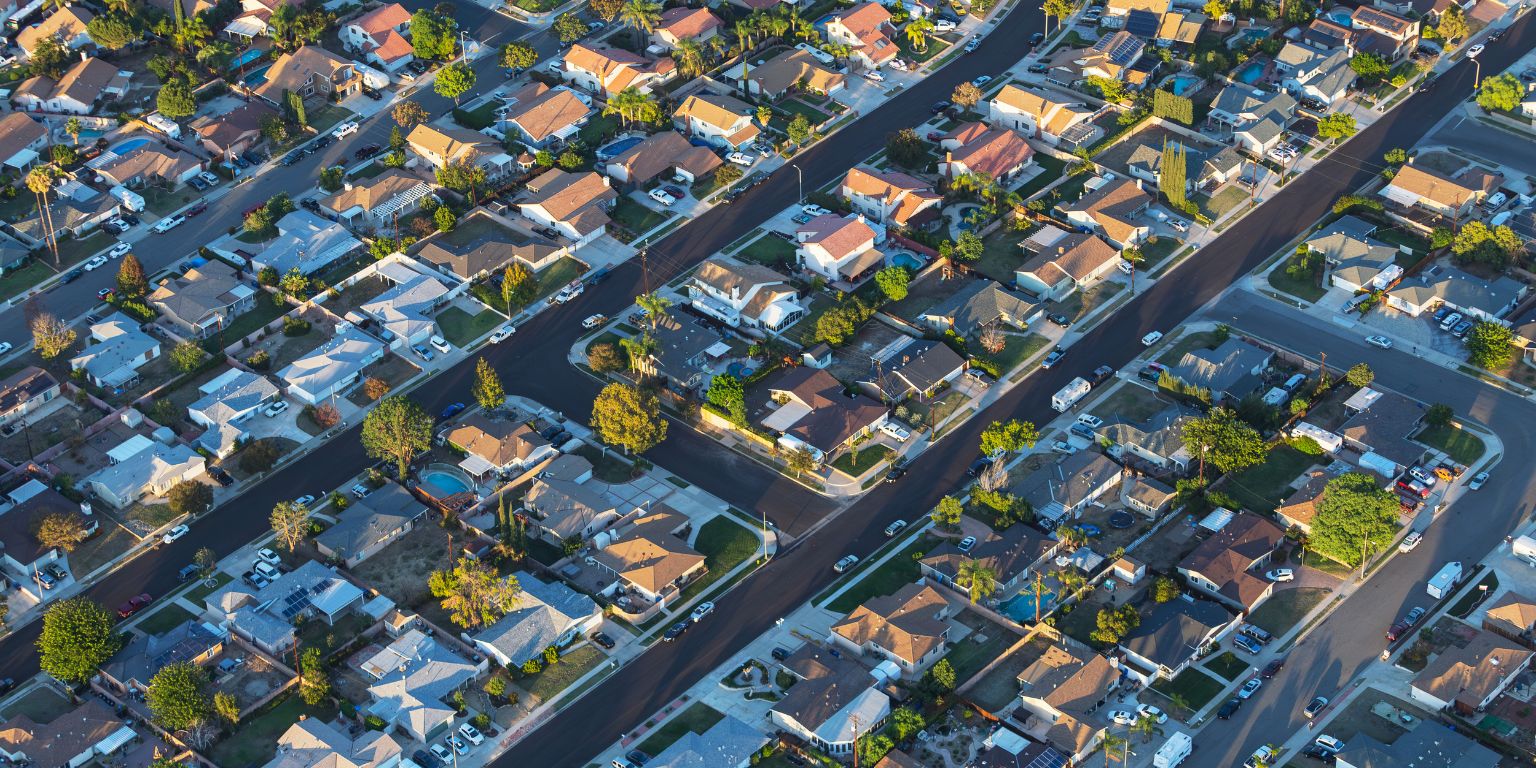
International commerce experts note that the state of California is the fifth-largest economy in the world. As such, the state is “more than capable of influencing industries through changes in its public policy,” according to GBD Magazine.
“Seeing as the Golden State boasts one of the most comprehensive and stringent fire codes in the nation, it should come as no surprise that the California Fire Code (CFC) has a tangible impact on the construction industry, both along the West Coast and throughout the US at large,”
The publication adds, “Between the state’s susceptibility to earthquakes —which themselves can trigger fires—and an ever-lengthening wildfire season, California has long placed an importance on specifying building materials with a high fire resistance rating.
“Short of fire prevention strategies, the use of fire-resistant materials throughout a building’s interior and exterior is the single most effective means of slowing the spread of fires and preventing fire damage.
“California’s Office of the State Fire Marshal (OSFM) manages the Building Materials Listing Program. This online database includes many materials, like roof coverings, fire resistive wall and ceiling-floor assemblies, wall finish materials, fire and non-fire related hardware, insulating products, fire doors, fire dampers, and electrical appliances and devices.
“Product manufacturers must pass rigorous testing at state-accredited laboratories in order to add their products to the program.”
As a previous article in this space notes, “Brick is a safer building material than others for a very simple reason. With its main component being clay, brick can withstand heat over 2,000 degrees Fahrenheit, depending on its composition and purpose. It’s a non-combustible material, meaning it can serve to both resist and contain fire.”
The Brick Industry Association adds, “No cladding (exterior) can take the heat like brick! There have been countless stories about fiber-cement and vinyl homes going up in flames so fast that firefighters are put in danger. On average, brick provides 1.5 hours of protection before a fire breaches your home, whereas vinyl and fiber-cement siding won’t withstand 30 minutes.
“Clay brick helps to slow down the spread of the fire, which gives firefighters an extra hour to do their job safely and to save your family, your home, and your possessions.”
Regardless of cause, wildfires will continue to be a threat to animals, humans and their possessions. Brick construction can provide fire resistance and precious time for professional response.
Acme Brick is committed to ongoing testing and product innovation to increase fire resistance for homes and commercial buildings. If you are interested in getting more information on how brick can help wildfires from spreading, talk to an Acme Brick expert.

Thanks for stopping by! We’re constantly working to make Brick.com the best resource for your projects. We’d love to get your feedback about your experience today—it only takes about 60 seconds and helps us make improvements for you.