Photo credit: Lou Curtis
Design trends rarely disappear completely. More often, they evolve. Ideas that once felt dated eventually return with new materials, new purpose, and a more refined point of view. Consider the accent wall.
For years, the formula was simple: Choose one wall and paint it a dramatically different color. A navy dining room wall. A charcoal television backdrop. A deep red office designed to command attention. It made sense, at the time. However, as we all know, times change.
Today’s homeowners are approaching accent walls differently. Instead of relying on bold contrast alone, modern interiors lean toward depth, texture, craftsmanship, and architectural presence.
This evolution reflects a broader shift in how people want to live. Homes are becoming less about fleeting trends and more about creating spaces that feel welcoming and timeless. The modern accent wall no longer stands apart from the room; it shapes the feeling of the home itself.
As home design magazine The Spruce observed in its exploration of changing interior trends, accent walls aren’t necessarily out of style, but the way homeowners use them “has evolved.” That evolution is less about visual shock and more about adding warmth, depth, and atmosphere.
The accent wall didn’t disappear. It just reinvented itself.
Today’s accent walls do far more than introduce contrasting colors. They add texture, atmosphere, and architectural personality. From handcrafted materials to layered finishes, statement walls have evolved into features that define the experience of a room. Here are seven ways this is occurring.
One of the biggest shifts in modern interiors is the move away from flat painted surfaces and toward materials with depth and variation. Homeowners are gravitating toward handcrafted tile, thin brick, limewash finishes, natural wood, dimensional textures, stone veneer, and layered architectural details.
Once associated with ornate interiors and formal dining rooms, wallpaper has resurfaced as a way homeowners can introduce warmth, texture, and personality into modern homes. Not-so-coincidentally, wallpaper has also become popular as an accent wall, instead of using paint for this design option.
These materials create movement through shadow, reflection, and surface variation. Rather than overwhelming a room with color, they introduce warmth in a more subtle and sophisticated way.
The Dallas Morning News recently described this shift as “a bold statement that goes beyond a coat of paint.” The newspaper pointed to textured materials, murals, tile, and architectural detailing as the new language of statement walls.
This movement towards texture aligns naturally with products available from Acme, particularly thin brick, handcrafted tile, and limewash finishes designed to create depth and permanence.
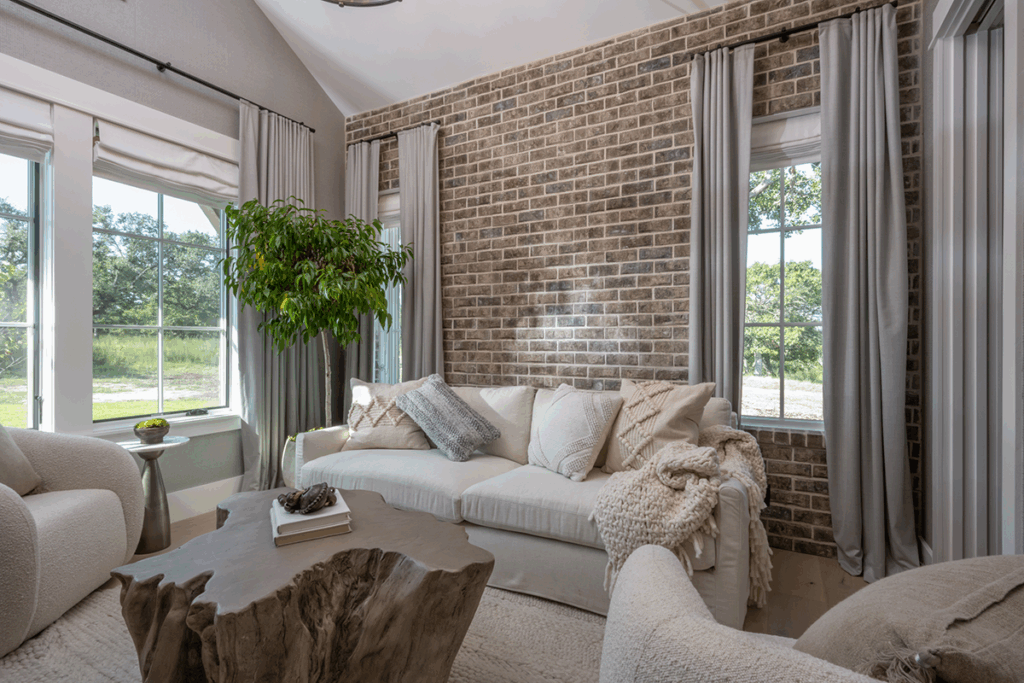
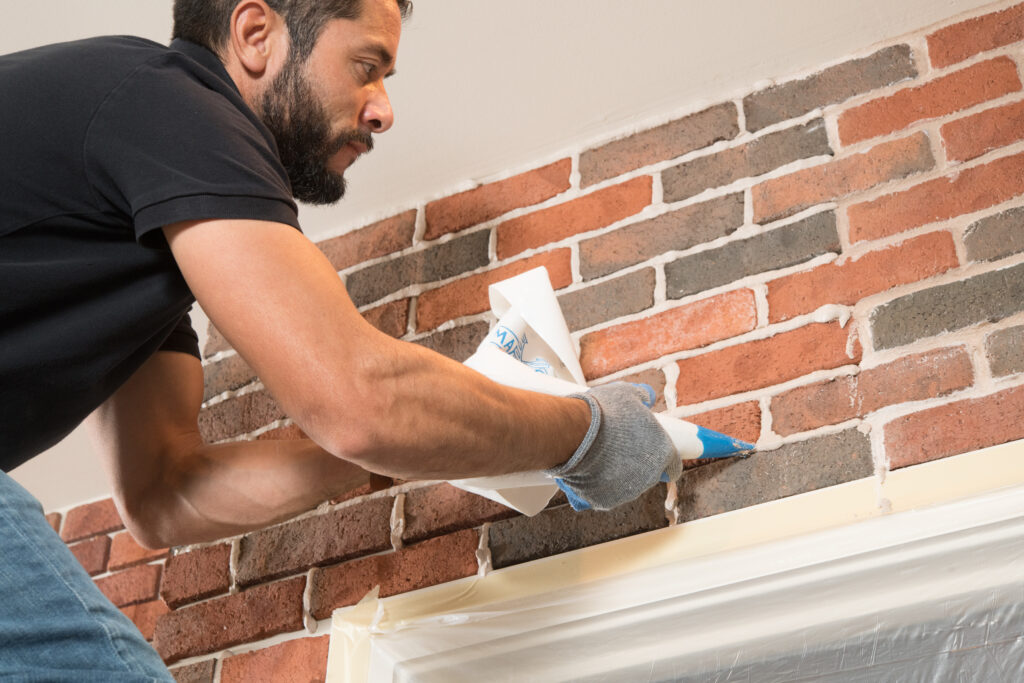
Contemporary interiors are less focused on a single dramatic wall and more intentional about creating a cohesive experience throughout the room. Instead of abrupt contrast, homeowners are extending materials and palettes across walls, trim, ceilings, built-ins, and architectural details. The result feels calmer, warmer, and more layered.
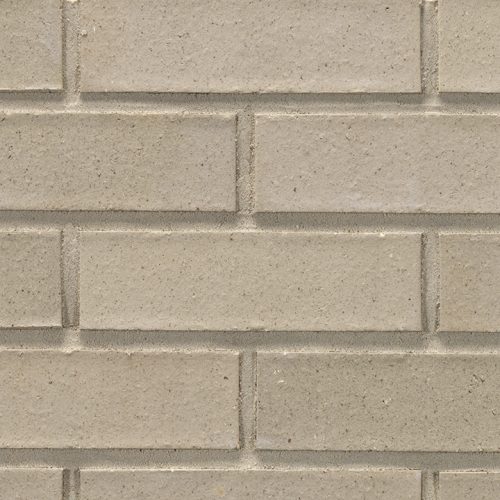
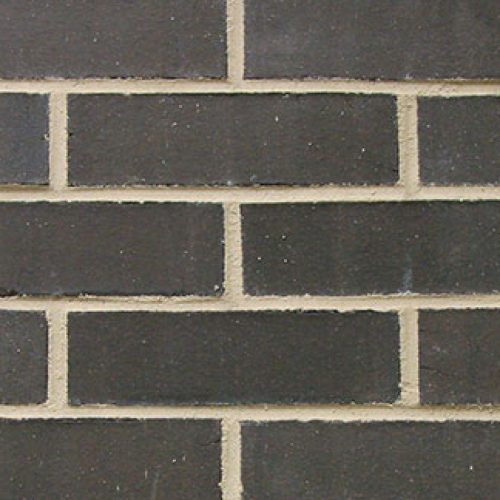
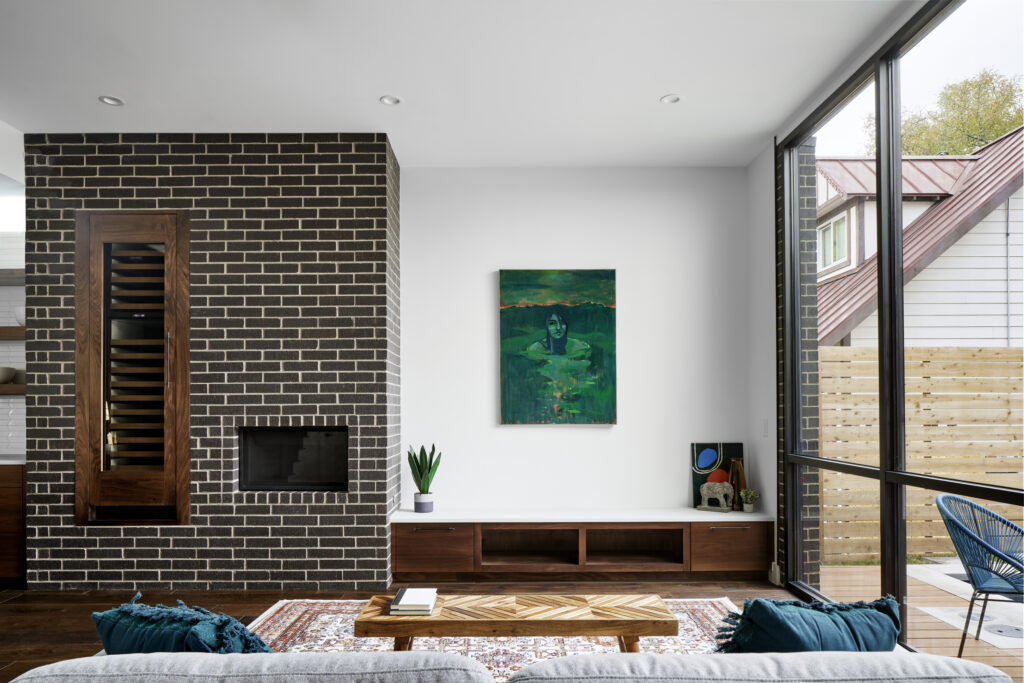
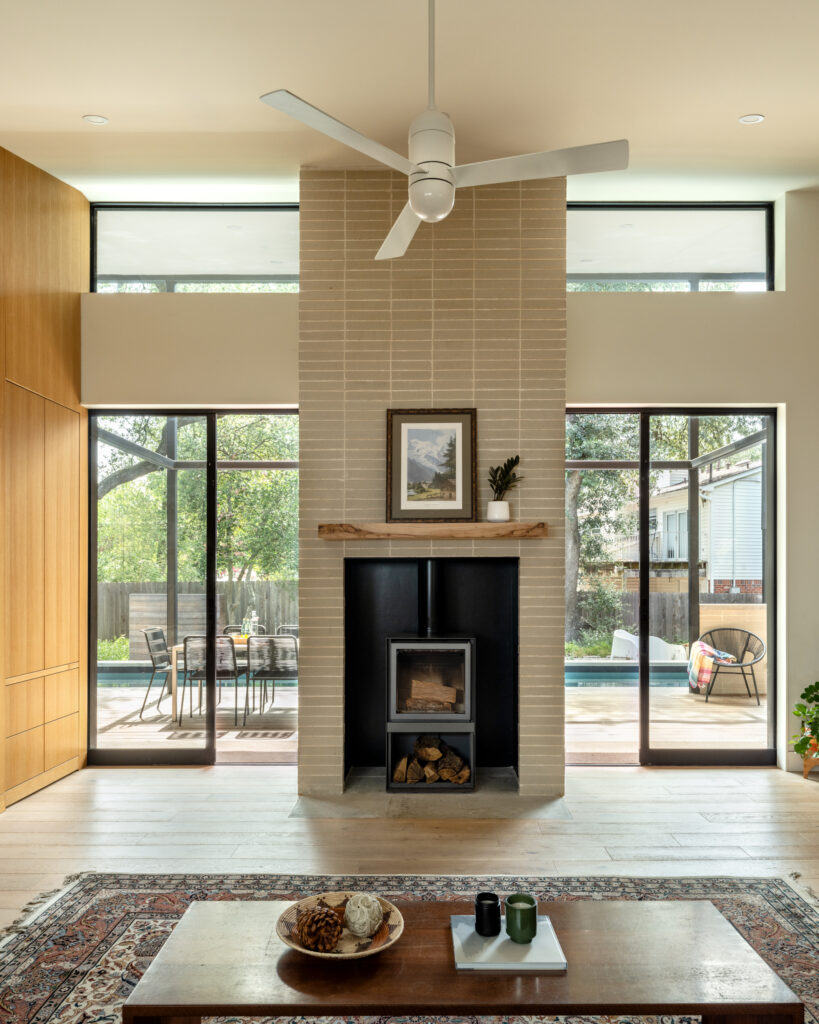
Thin brick from Acme Brick works especially well within this approach. It introduces authentic texture while maintaining the clean lines many modern interiors favor. This product is real brick, cut thinner and therefore lighter, making it easier to install. Installation products such as SpeedyMason and TABS are designed to make using thin brick a breeze. As such, thin brick is ideal for interior feature walls and fireplace surrounds, where homeowners want architectural warmth without the weight of full masonry.
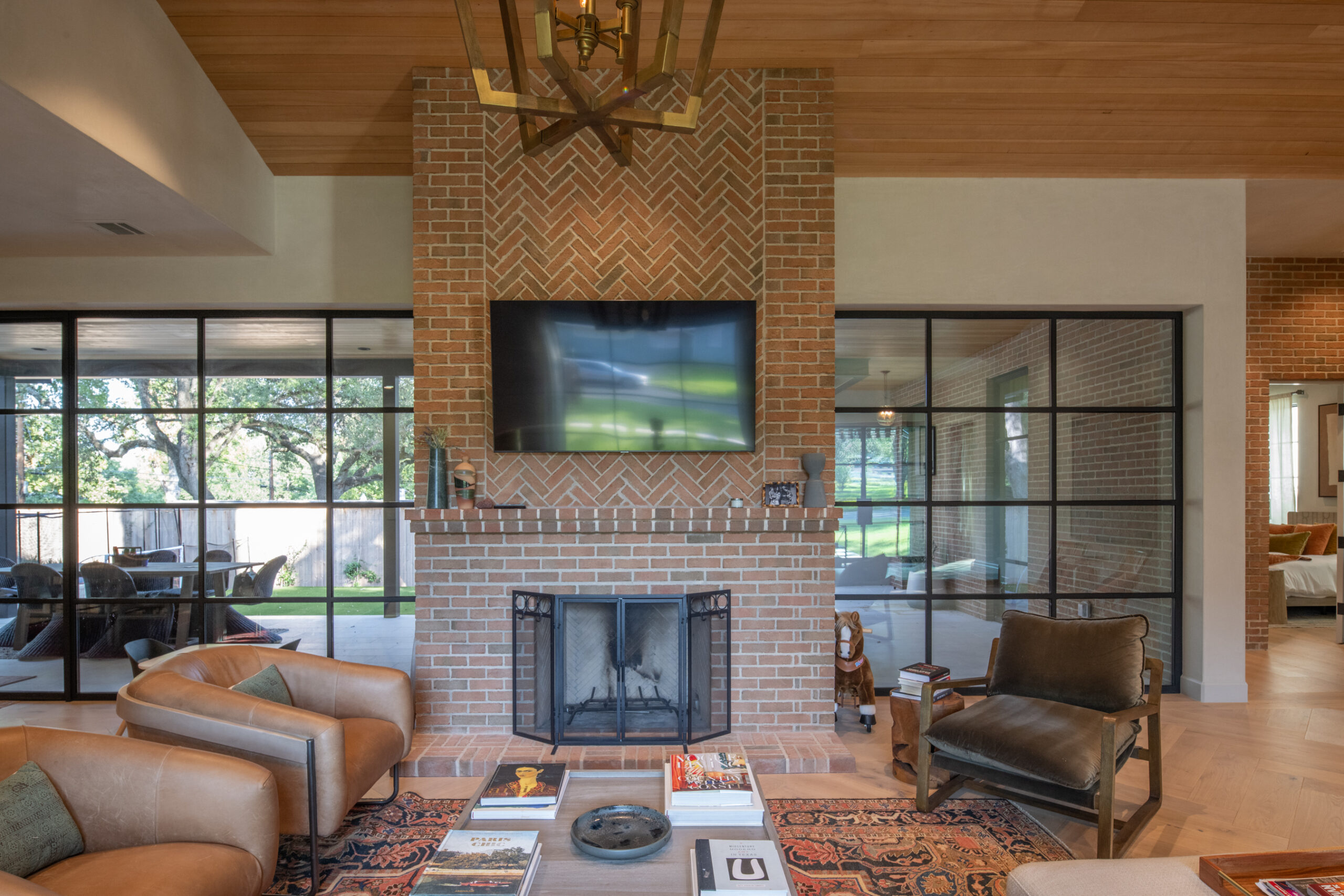
Increasingly, accent walls feel integrated into the structure of the home itself. Features like brick fireplace surrounds, tiled niches, textured entry walls, built-in shelving, and custom millwork now function as permanent architectural focal points rather than temporary decorative additions.
The Dallas Morning News article notes that many designers now treat statement walls as part of the architecture itself. Wood slats, tile installations, and plaster finishes help spaces feel layered, grounded, and connected to the overall design of the home.
Designers are increasingly replacing painted feature walls with materials that feel artisanal and tactile. One standout example is Zellige tile available from Acme Brick locations. This tile has surged in popularity because of its handcrafted variation and reflective depth. Homeowners have described Zellige tile as “imperfectly perfect and dazzlingly beautiful.”
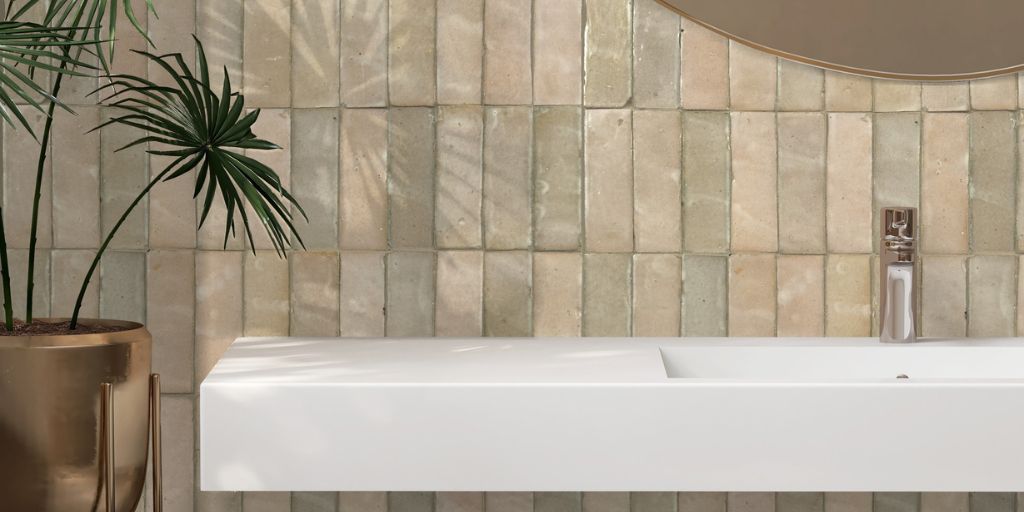
Originally created with Moroccan craftsmanship, Zellige tile introduces subtle irregularities in tone, surface, and texture that create movement as light changes throughout the day. Designers are increasingly using it for kitchen accent walls, fireplace surrounds, bathroom focal points, backsplash installations, bar niches, and alcoves.
Instead of making an entire room compete for attention, many homeowners are embracing smaller, more intentional focal points, such as a textured alcove, a dramatic fireplace surround, a tiled bar niche, or a layered entry wall.
Designers interviewed by The Spruce suggested that heavily contrasting painted walls can sometimes feel dated or disconnected from the rest of the room. Smaller applications of texture and material often create a more timeless effect.
Zellige tile and thin brick products work especially well in these architectural moments. Why? They create visual interest through craftsmanship and texture rather than sharp contrast.
After years dominated by sleek minimalism, interiors are beginning to feel warmer and cozier. Earthy textures, warm neutrals, handcrafted surfaces, and finishes with natural variation are helping homes feel more grounded and livable.
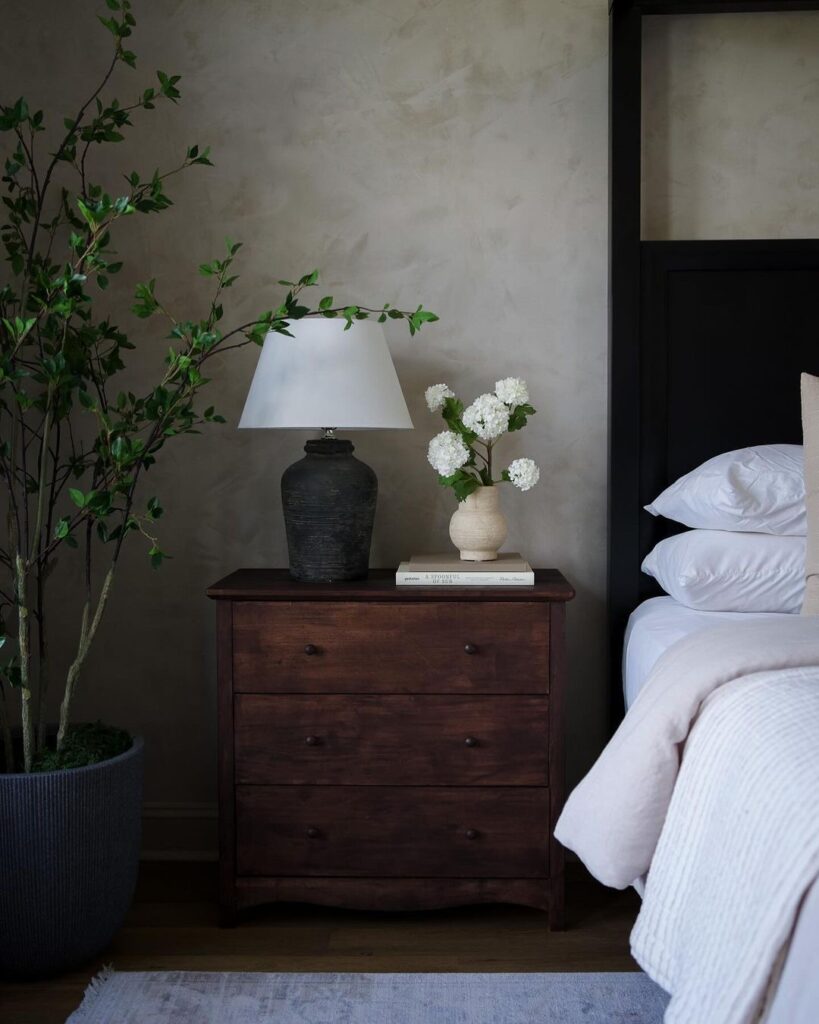
That is one reason for the growing popularity of Romabio Classic Limewash available from Acme Brick. The finish creates that charming old world feel, while still allowing the warmth and texture of brick to remain visible.
According to Romabio, limewash bonds with masonry surfaces rather than sealing them beneath heavy paint films. The result is a breathable finish that develops character over time. Limewashed walls feel softer, more organic, and far less rigid than traditional painted walls.
Perhaps the biggest evolution of the accent wall is the growing preference for materials that feel enduring rather than temporary. Brick, tile, plaster, and limewash age gracefully. They develop character over time and feel rooted in craftsmanship rather than quick cosmetic updates. That permanence is exactly what many homeowners are searching for now: interiors that feel authentic, layered, and built to last.
According to The Spruce, the most successful statement walls today are those that feel integrated into the home, rather than added simply for contrast. That philosophy aligns closely with Acme’s emphasis on authentic materials, particularly thin brick, handcrafted tile, and mineral-based limewash finishes designed to weather beautifully over time.
The evolution of the accent wall reflects a larger movement happening throughout interior design. Homeowners are becoming less interested in quick visual impact and more interested in creating spaces with authenticity.
That’s why materials like handcrafted tile, thin brick, and limewash continue resonating so strongly in modern homes. They create interiors that feel layered, welcoming, and timeless, rather than overly styled or trendy. After all, the best statement walls are not simply seen. They are felt.

Thanks for stopping by! We’re constantly working to make Brick.com the best resource for your projects. We’d love to get your feedback about your experience today—it only takes about 60 seconds and helps us make improvements for you.