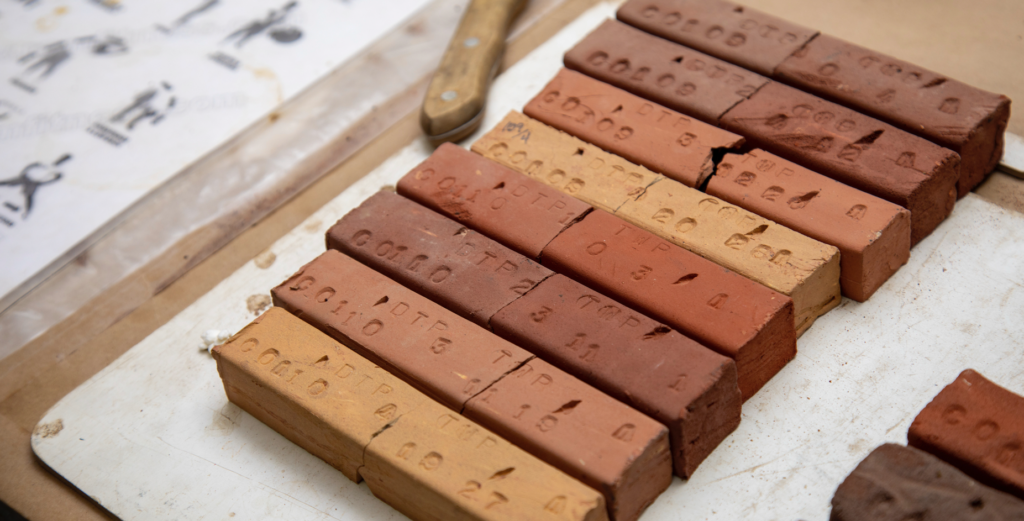
We hear a lot about the modern advances in architecture and engineering, from Building Information Models to artificial intelligence-informed design and augmented reality-based design and construction. Yet the most important consideration in home construction was introduced thousands of years ago. The choice of the construction material for the structure is arguably (still) the most important decision for durability and aesthetics.
Once pre-historic home buyers decided to leave the cave and consider less drafty options, they started comparing construction materials that offered better insulation, weather resistance and more pleasing curb appeal. Since metal siding – and curbs, for that matter – were a few thousand years away from introduction, it was at about this point, when the discussion turned to the advantages and disadvantages of clay and concrete brick for exterior walls.
When combined with even rudimentary technology such as heat from fire, natural elements such as clay, shale, sand, lime, and water can literally become the building blocks of home and commercial construction. The decision about what type of “blocks” work best for homes is informed by several factors.

According to many sources, the first clay brick were initially sun-dried mud bricks mixed with straw. They were invented around 7000 to 9000 BC in the current Middle East, near areas like the ancient city of Jericho and the Tigris-Euphrates region. Around 4000–3500 BC a breakthrough of baking clay bricks in kilns occurred. These “fired” brick were much stronger, were waterproof, and could endure wetter or colder climates. With some tweaks, this manufacturing formula for clay brick continues to contemporary times.
Concrete brick evolved similarly. Historians note the earliest concrete-like floors appeared in Israel around 7000 BC. Later, Middle Eastern builders used burned limestone coatings around 1300 BC. The ancient Romans perfected a true structural concrete called opus caementicium around 300 BC by mixing lime, water, and volcanic ash. Modern concrete arrived when British mason Joseph Aspdin invented and patented “Portland” cement in 1824 by burning limestone and clay together.
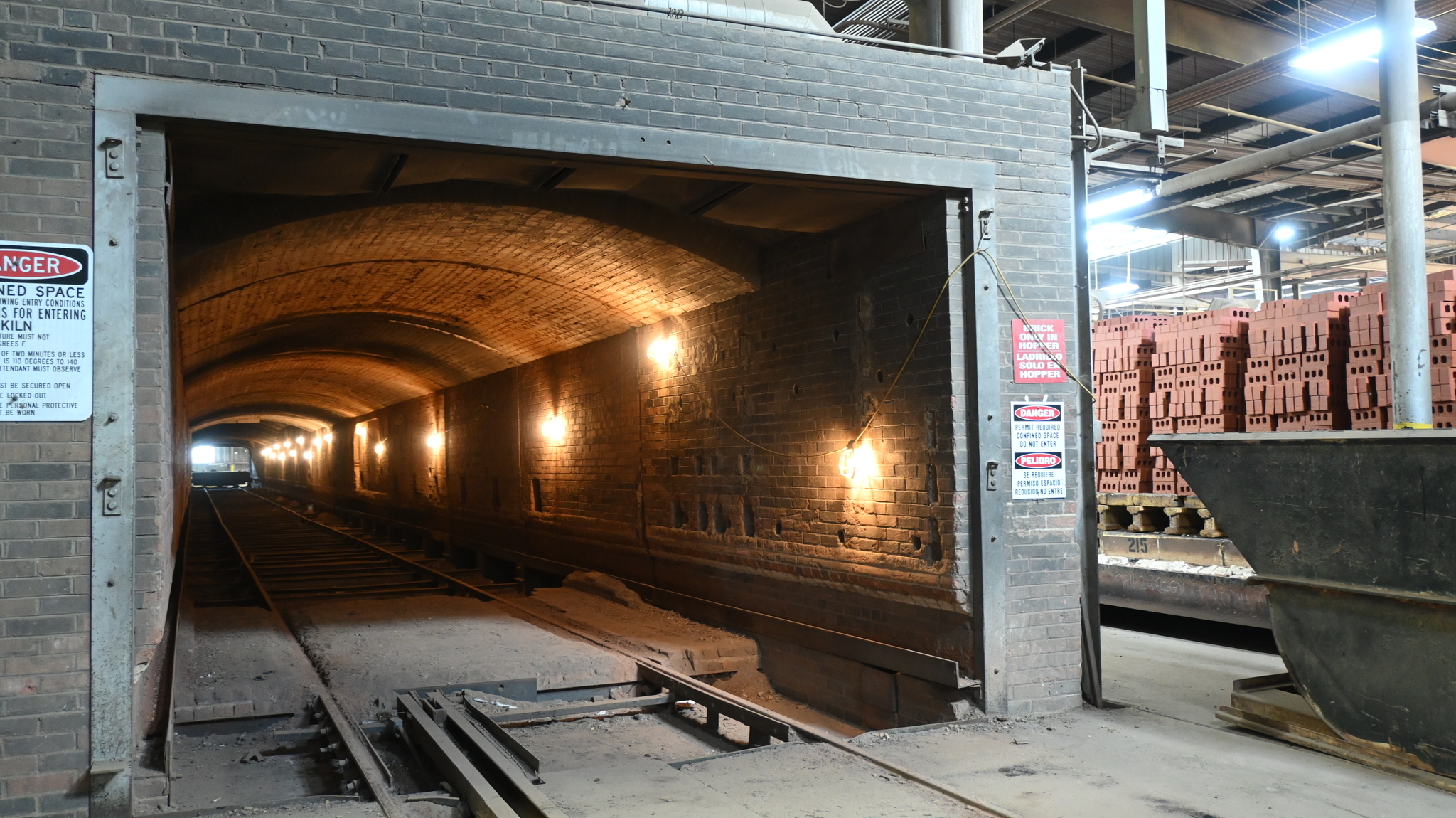
These two types of brick may seem indistinguishable to homebuyers, but architects and builders see big differences. So does Acme’s cladding specialist Les Seaton. He offers a snapshot of both products.
“Clay brick is made of clay, coloring agents, and other additives,” he said. “They are usually molded by extrusion and then cut into brick size units. Some manufacturers use wooden molds to make a unique brick.
“Clay brick require some type of firing process to vitrify the soft clay to a glass-like solid brick.
“This type of brick has between 2500 – 7000 pounds per square inch (psi) compressive strength, and it usually expands about 1/10 of an inch for every 25 feet of wall. It has a good fire rating.”
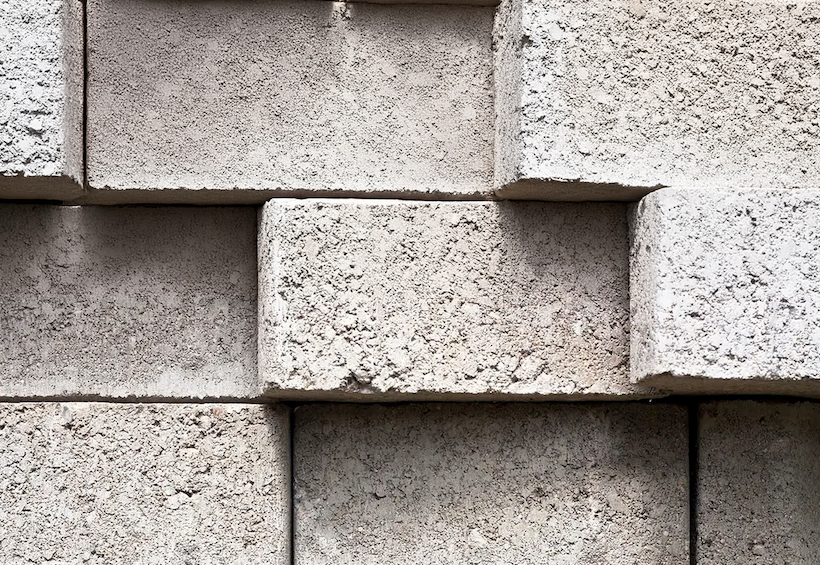
Seaton notes, “Unlike clay brick, where the color comes from the minerals in the clay itself, concrete brick is made of cement, aggregate, coloring dyes, and water. These pigments often sit on the surface of the brick, rather than running completely through it. As the outer layer of concrete wears down from exposure to weather, the dull gray base material or internal aggregate becomes visible. Concrete brick manufacturers sometimes claim a wider range of colors than clay. Unfortunately, these colors fade much faster than clay brick.
“Additionally, concrete brick are made using press mold and, unlike clay brick, they are not heated in a kiln. Instead of heat, concrete brick cure through a chemical process called hydration. They harden by sitting in a moist, controlled environment or steam-curing chamber for days to gain strength.
“This type of brick has a compressive strength of between 2500 – 10,000 psi and has a good fire rating.”
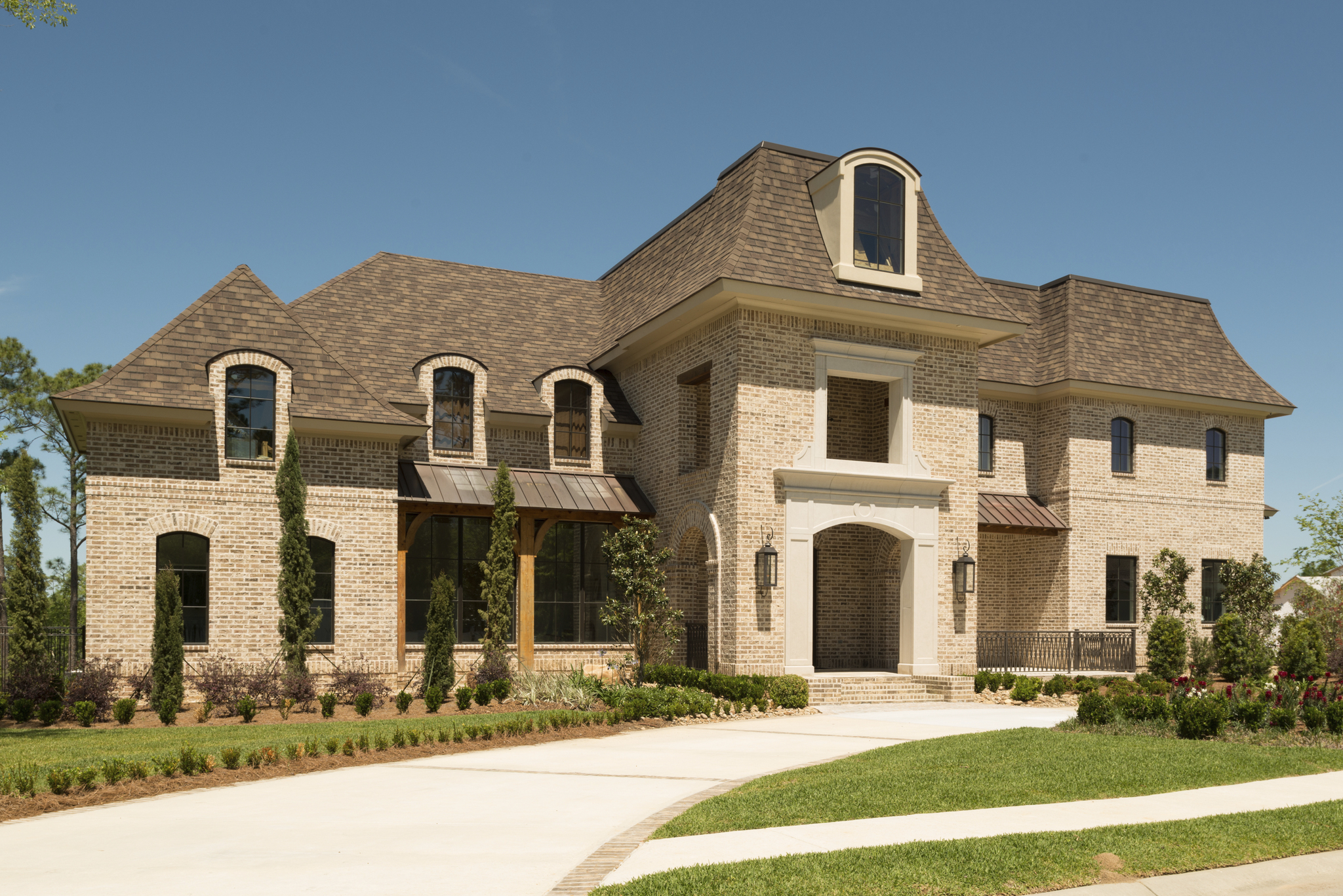
The choice of whether to use clay brick or concrete brick for new home construction is driven by many criteria, including the homebuyer’s building budget and subjective aesthetic consideration. As the old adage notes, “Beauty is in the eye of the beholder.” However, facts are still facts. Seaton points out the advantages and disadvantages of both construction products.
“Clay brick are more popular than concrete for residential construction because of their superior aesthetic appeal, exceptional durability, and better long-term weather resistance.”
He notes the primary differences between the two.
Clay brick provide a classic, warm, and natural look that does not fade over time, whereas concrete brick can lose their pigment and color as they age,” Seaton noted.
Clay brick resist extreme weather, moisture, and fire remarkably well, often lasting over 100 years “Clay brick excels in weather resistance, particularly in wet, fluctuating climates,” Seaton notes. “They have a natural ability to withstand rain, sun and frost without significant degradation, making them a popular choice in environments prone to harsh weather.”
Fired clay acts as a great thermal mass, helping regulate indoor home temperatures by absorbing heat during the day and releasing it slowly at night. Concrete brick has a higher R-value than face brick.

Clay requires virtually no painting or specialized sealing to maintain its color and structural integrity against rain and sun.
Concrete brick typically cost less to purchase while fired clay brick come at a premium. However, clay brick weigh less than concrete units, making them easier to transport and lay on the job site, potentially offsetting some of the extra purchase price.
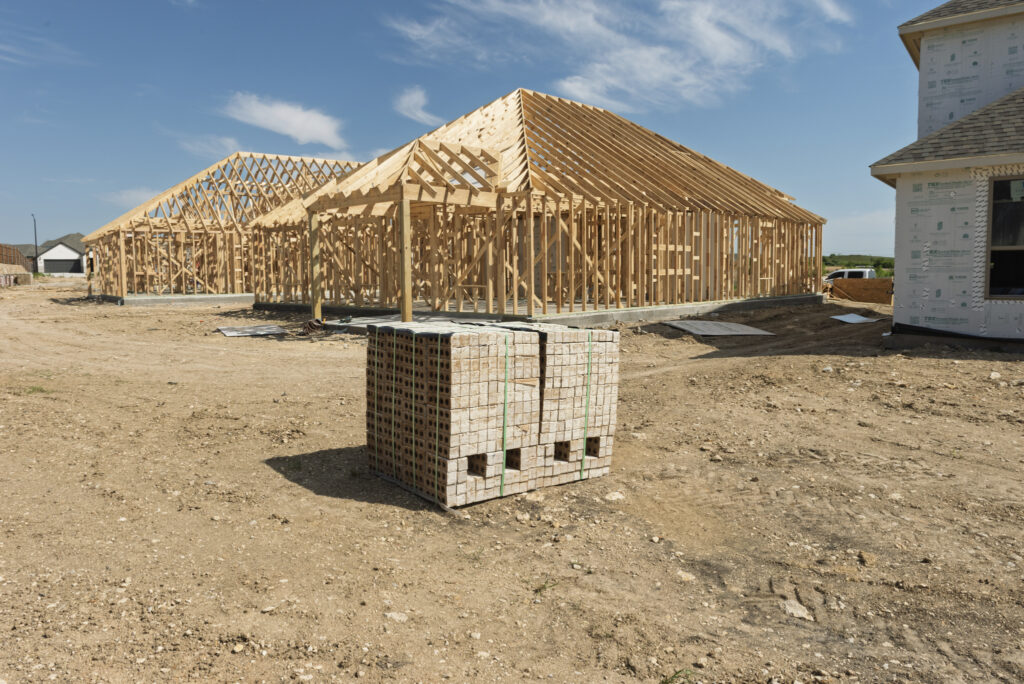
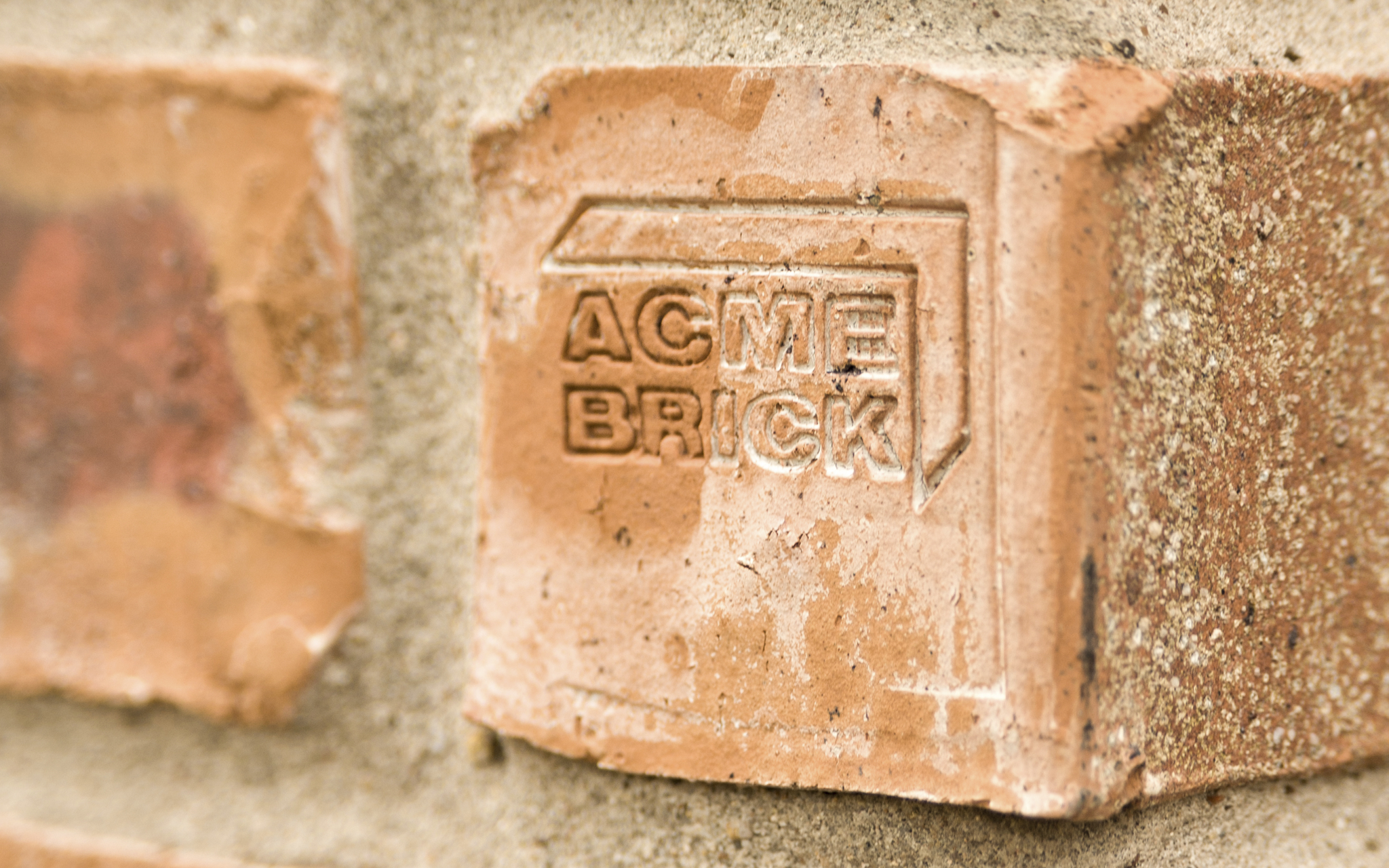
For more than 135 years, Acme Brick has supplied construction materials that are built to last, and more importantly, to delight architects, homebuilders and homebuyers. It starts with a basic premise. Clay brick last longer, require less maintenance, and offer better insulation. This makes the choice between Acme Brick and other materials easy.

Thanks for stopping by! We’re constantly working to make Brick.com the best resource for your projects. We’d love to get your feedback about your experience today—it only takes about 60 seconds and helps us make improvements for you.