
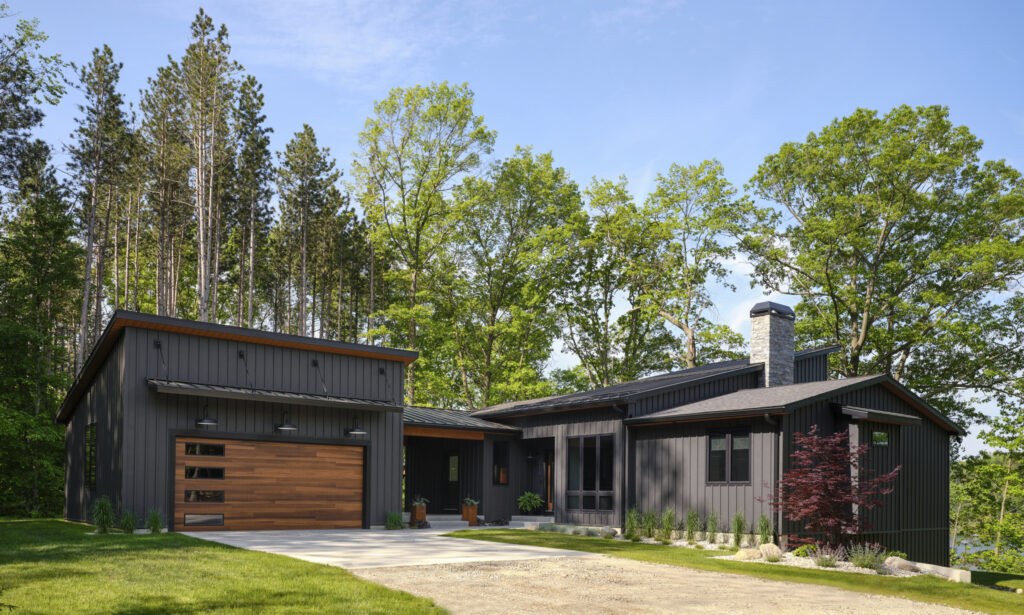
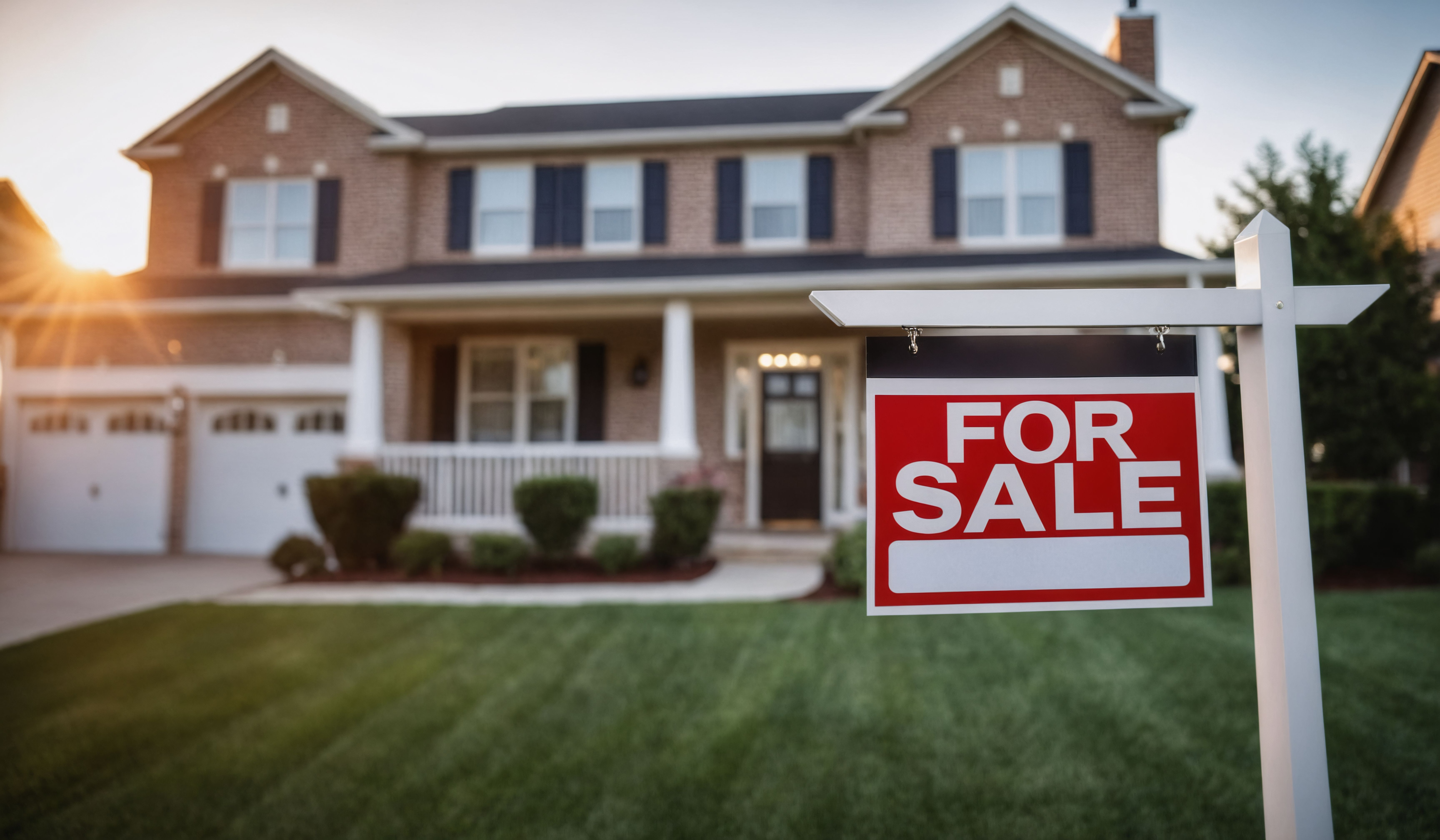
At some point, almost every homeowner looks around and begins to mentally rearrange the place. Maybe the kitchen isn’t big enough or the family room no longer fits the family. With a little imagination and work, the backyard could become an outdoor living space, while that rarely used dining room might be better suited for a home office.
Sooner or later, all those ideas lead to one big question: Should you renovate your home or move to one that already offers what you need?
Owning a home has been called the “American Dream.” However, when major renovation costs are looming or the kitchen looks like it belongs in one of those sitcoms from the 70s, that dream can become a nightmare. It’s at this point; homeowners ponder next steps. Should they fix it or move?
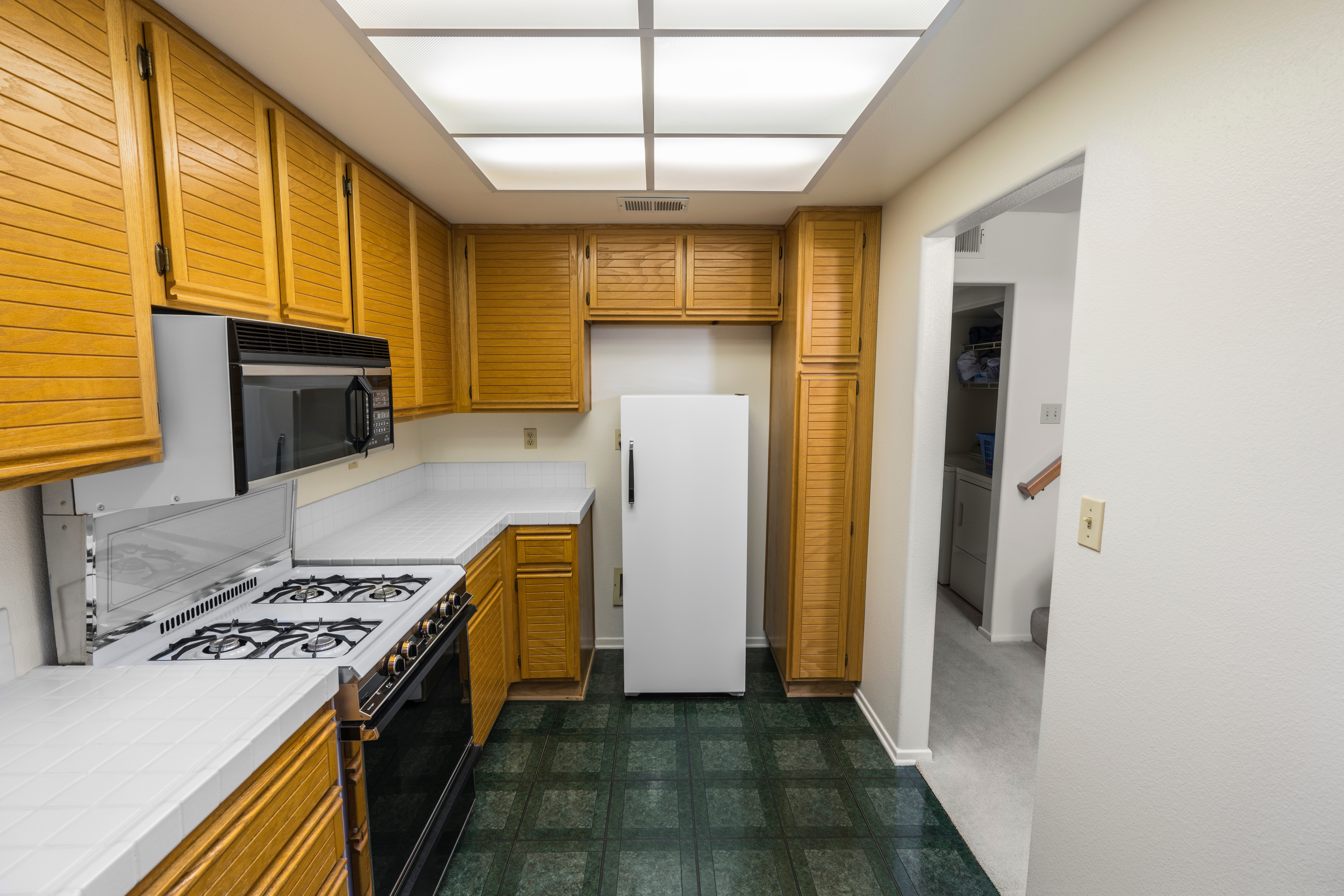
A recent House Beautiful article suggests that the answer is often more complicated than comparing renovation estimates with real estate listings. Your location, lifestyle, finances and attachment to your community are all part of the equation.
Before putting a for sale sign in the yard or knocking down a partition wall, here are some important factors to consider.
You can enlarge the kitchen or create another bedroom to give your home an entirely new look. What you can’t renovate is its location.
If you love your neighborhood, live near friends or family, have children settled in their schools or enjoy an easy commute, moving may require giving up more than the house itself. A new home could provide a larger pantry or an extra bathroom, but it might also mean leaving behind the relationships and routines that make your everyday life work.
Begin by asking what you truly want to change. Is the house itself the problem, or has your family outgrown the location and lifestyle it represents? If the neighborhood still feels right, renovation deserves a closer look.

The price of renovation can be relatively easy to see. Relocation expenses, however, are often scattered across a much longer list.
First, there’s the purchase price of another home and the current home mortgage rates (which will likely be higher than the one you have now), but there may also be real estate commissions, closing costs, inspections, repairs, movers and the expense of preparing the current house for sale. A different neighborhood could also affect property taxes, insurance premiums, transportation costs and utility bills.
Renovation presents its own financial uncertainties. House Beautiful notes that projects frequently exceed their initial budgets when work reveals outdated wiring, plumbing problems or structural issues hidden behind the walls. Homeowners should consider design, engineering, permitting and temporary housing costs in addition to the contractor’s estimate.
A contingency fund can help prevent an unexpected discovery from bringing the entire project to a grinding halt. Consulting an architect, designer, engineer or experienced contractor early can also provide a more realistic understanding of what the home, and the budget, will support.
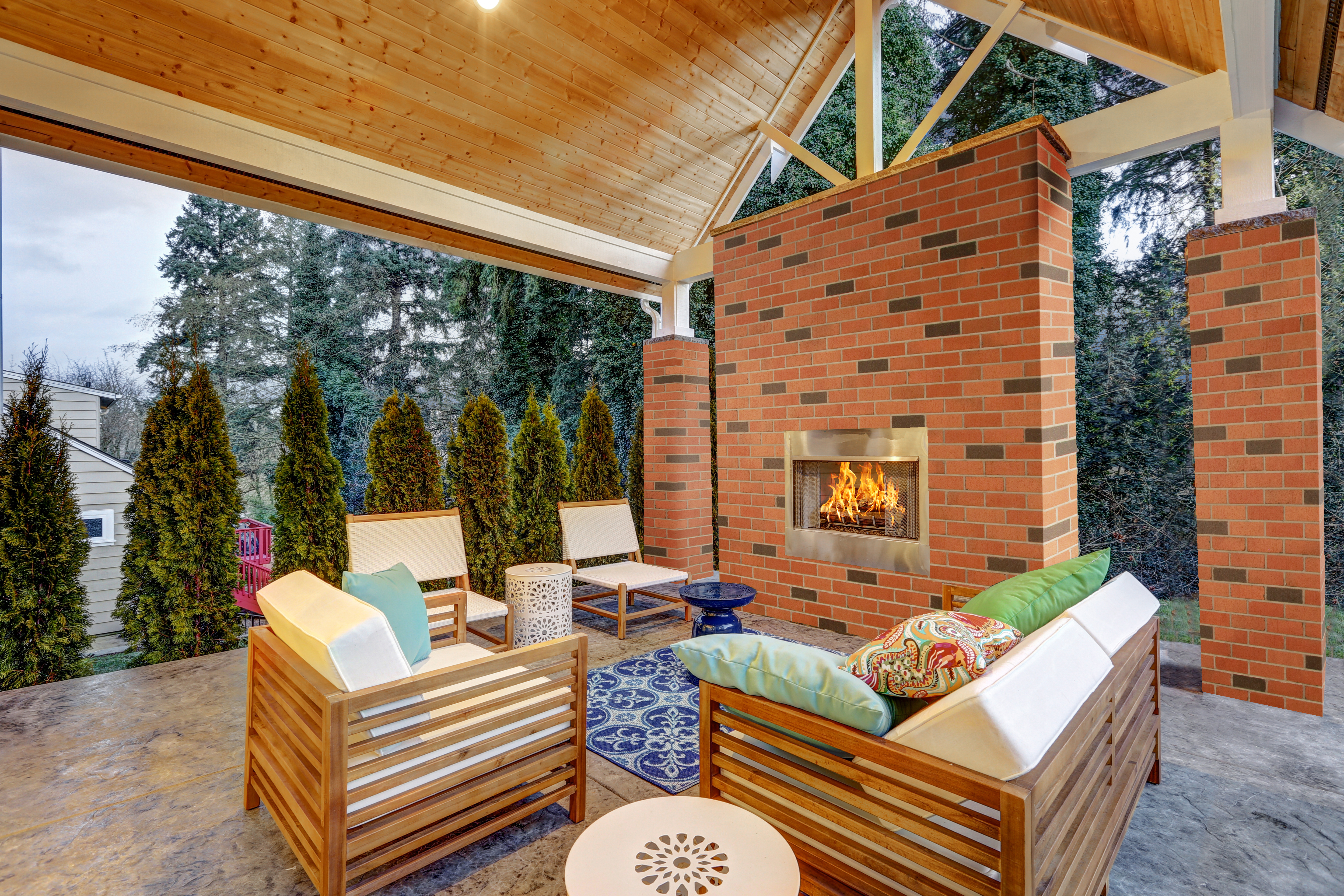
Some problems can be solved with thoughtful design concepts. An underused room can become an office. A kitchen can be reconfigured for better flow. An outdoor kitchen, or brick patio can create the entertainment space the interior lacks.
More complicated needs may require adding square footage. Depending on the lot, foundation and local building regulations, homeowners may be able to build outward or add another level. Each option brings different structural requirements, costs and effects on the property.
Acme Brick recently explored the advantages and challenges of both approaches in “Ready to Remodel Your Home? Is It Better to Build Up or Out?” Building “out” may provide easier access and a more natural connection to outdoor spaces, although it requires sufficient land. Building “up” preserves more of the yard but can involve complex foundation, staircase and roof considerations.
Also, before falling in love with a floor plan, it’s advisable to check zoning rules, setback requirements and homeowners’ association restrictions.
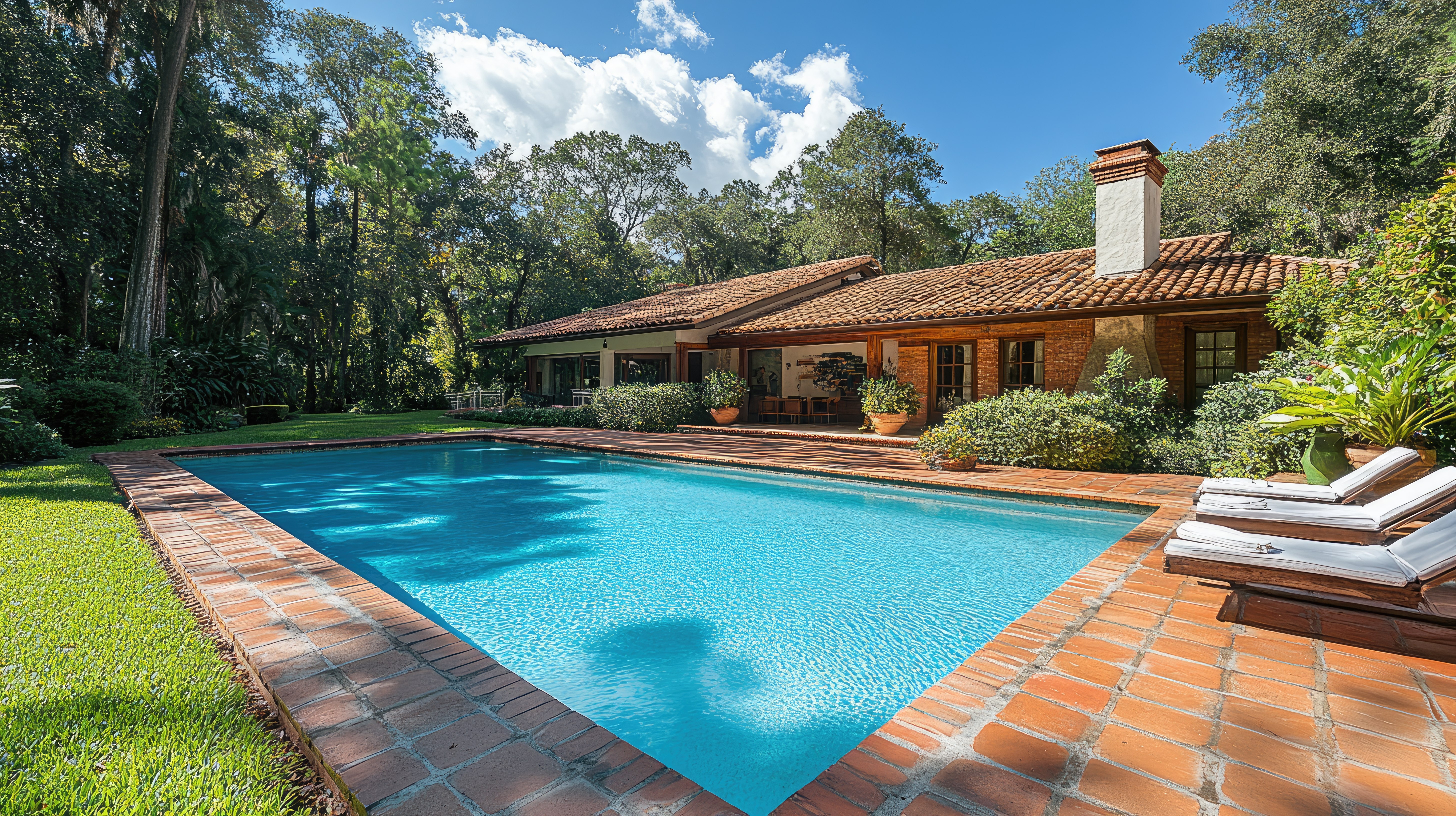
Return of investment matters, especially if you expect to sell within the next few years. Kitchens, bathrooms, exterior improvements such as pools and added functional space may make a home more appealing to future buyers. But not every renovation returns its full cost at resale.
Financial returns are only part of the value. A more functional kitchen layout can make every meal easier. A shaded patio can become the place where the family gathers at the end of the day. A first-floor suite may allow homeowners to remain comfortably in the house as they age or allow for multi-generational households. These improvements provide a daily return that can’t always be captured on a real estate spreadsheet.
Many renovations that were meant to increase a home’s resale value have an unexpected result: They remind homeowners why they want to stay.
Ask yourself how long you expect to stay and how much the renovation would improve the way you live during those years. Often the strongest reason to renovate is not what the project may be worth someday, but what it will mean to your life now.
Renovation doesn’t always require changing the home’s footprint. Sometimes the problem is not a lack of space but a lack of character. Exterior improvements can dramatically change the way a house looks and feels. Brick accents, new walkways, stone veneer, steel siding, and an updated entrance can add dimension and curb appeal while helping an older home feel more intentional and current.
For additions to traditional brick homes, complementary thin brick from Acme Brick can help unite old and new construction without placing the same weight demands on the expanded structure. Authentic clay thin brick may also be used for interior accent walls, fireplaces, backsplashes and other spaces where homeowners want the warmth and texture of masonry.
Materials should be evaluated for more than their first impression. Full-size Acme Brick offers lasting color, low maintenance, fire protection and natural insulating properties, and Acme residential brick is backed by a 100 Year Limited Guarantee. Choosing durable materials can help ensure that today’s renovation won’t become tomorrow’s maintenance problem.

Renovation has limits. If the home can’t provide the space needed, the location no longer suits your life or the projected cost approaches the price of a more suitable property, moving may be the more practical choice.
You should also be honest about your willingness to live through construction of a reno. A cosmetic update can be inconvenient. A major addition or whole-home renovation might mean months of noise, dust, delays and difficult decisions. If the finished house still involves serious compromises, it may not justify the disruption.
The goal is not to save the house at any cost, but to determine which choice creates the best home and life for the years ahead.
A house can become outdated without becoming obsolete. Before leaving the neighborhood and home you love, take a fresh look at what thoughtful design and enduring materials can help you to accomplish.
If renovation is the right answer, begin with ideas that improve both daily living and long-term value. Explore the possibilities at Brick.com, or speak with an Acme expert about brick, thin brick, stone, pavers and other materials that can help make your current home feel like the home you’ve been looking for.

Thanks for stopping by! We’re constantly working to make Brick.com the best resource for your projects. We’d love to get your feedback about your experience today—it only takes about 60 seconds and helps us make improvements for you.